
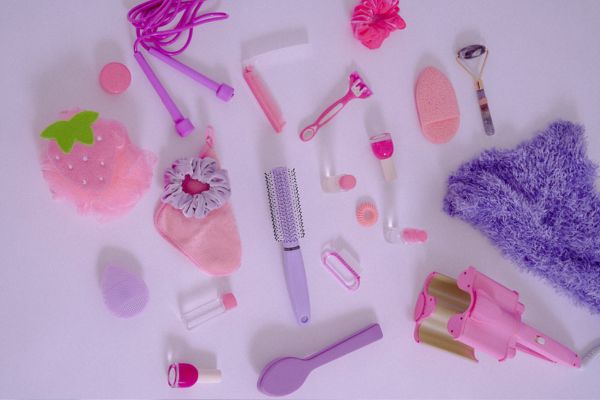
Getting dressed is rarely just about clothes. The finishing touches often tell the real story. A simple white shirt can feel polished with the right watch, relaxed with a canvas tote, or dramatic with bold earrings. That is why learning How to match accessories with outfits can completely change the way you use your wardrobe.
Accessories have a quiet kind of power. They can balance proportions, introduce color, soften formal pieces, or make basics feel intentional. They also help you express personality without needing an entirely new closet. Once you understand a few core principles, matching accessories becomes less confusing and much more fun.
Why Accessories Matter More Than You Think
Most outfits begin with clothing, but accessories complete the picture. They create contrast, harmony, and detail. A tailored blazer with no accessories can feel unfinished. Add a structured bag, a clean belt, and subtle jewelry, and suddenly the same outfit feels styled.
Accessories also help clothes work harder. You can wear the same black dress to lunch, work, or dinner and change the mood simply by switching shoes, jewelry, or outer layers. That flexibility is what makes them so useful.
Start with the Mood of the Outfit
Before choosing anything, pause and ask what the outfit is saying. Is it relaxed, elegant, playful, sharp, romantic, sporty, or understated? Accessories should support that mood rather than fight it.
If you are wearing denim, sneakers, and a soft knit, refined pearls and a glitter clutch may feel disconnected. On the other hand, leather sneakers, a minimal watch, and a crossbody bag would blend naturally.
Likewise, a sleek evening outfit usually pairs better with polished accents than casual ones. When in doubt, match the energy of the outfit first.
Use Color as a Guide
Color is one of the easiest ways to coordinate accessories well. You do not need exact matches. In fact, overly matched outfits can sometimes feel stiff. Instead, aim for connection.
If your outfit is neutral, accessories can add interest. A camel coat with burgundy shoes or a navy dress with gold jewelry creates depth without looking forced.
If your clothing already has strong color or prints, calmer accessories often work best. Let one element lead while the others support it.
Metallic tones can also function like neutrals. Gold brings warmth, silver feels cool and crisp, and mixed metals can look modern when done intentionally.
Balance Statement Pieces with Simplicity
One common styling mistake is trying to make everything the star. Bold earrings, layered necklaces, patterned shoes, a bright bag, and oversized sunglasses may compete for attention.
A better approach is to choose one focal point. If you wear dramatic earrings, keep the necklace delicate or skip it entirely. If your handbag is colorful and sculptural, let the rest stay clean.
This creates balance and makes statement pieces feel stronger rather than chaotic.
Consider Necklines and Jewelry Together
Jewelry tends to look best when it responds to the shape of your clothing. Necklines especially matter.
A deep V-neck often pairs beautifully with pendants or layered chains that echo the line of the top. Crew necks can handle shorter necklaces or bold earrings. Strapless or open necklines give room for statement necklaces or elegant bare skin with standout earrings.
High neck tops sometimes need no necklace at all. In those cases, bracelets, rings, or earrings may do more.
The goal is not rules for the sake of rules. It is visual harmony.
Match Scale to the Outfit
Some outfits are delicate. Others are structured and bold. Accessories should feel proportionate.
Flowy fabrics, light dresses, and soft tailoring usually pair well with finer details. Chunky boots and oversized bags may overwhelm them unless contrast is intentional.
On the other hand, oversized coats, wide-leg trousers, or structured suiting often need accessories with presence. A tiny handbag against a dramatic coat can disappear.
When wondering How to match accessories with outfits, scale is often the missing piece people overlook.
Let Shoes Anchor the Look
Shoes influence an outfit more than almost any other accessory. They set tone instantly.
Loafers can make jeans feel smart. Trainers can relax tailored trousers. Heels can sharpen a simple dress. Boots add edge, practicality, or seasonal texture depending on the style.
You do not need shoes to match the bag exactly. That old rule is optional now. Instead, make sure they feel like they belong in the same world.
For example, suede ankle boots and a woven tote share texture and softness. Patent heels and a structured clutch share polish.
Bags Should Fit Both Style and Purpose
A bag is practical, yes, but it also changes the silhouette of what you wear. Large totes feel casual and useful. Mini bags feel light and styled. Structured handbags look polished. Slouchy shoulder bags often feel relaxed and modern.
Choose based on both occasion and outfit shape. If your clothing is oversized, a more structured bag can create balance. If the outfit is sharp and tailored, a softer bag can add ease.
There is something refreshing about accessories that feel considered but not overthought.
Belts as a Quiet Styling Tool
Belts are underrated. They can define the waist, break up color, and make simple outfits feel finished.
A blazer worn open may look sharper with a belt on trousers. A loose dress can become more shaped with a slim belt. High-waisted jeans often look complete with one, even if partly hidden.
Choose belt width based on the clothing. Wide belts create impact. Slim belts tend to feel subtle and refined.
Seasonal Texture Makes a Difference
Accessories are not only about color and shape. Texture matters too.
Summer outfits often welcome straw bags, woven sandals, light scarves, canvas sneakers, and natural finishes. Winter leans toward leather, suede, wool, heavier metals, boots, and richer materials.
Matching the season helps outfits feel natural. Linen paired with velvet may work in fashion editorials, but in daily life it can feel off unless styled carefully.
Know When to Stop
Sometimes the best accessory decision is restraint. If your outfit already has strong tailoring, print, color, or texture, it may need less than you think.
A beautiful coat, great sunglasses, and clean boots may be enough. A patterned dress with elegant earrings might need nothing else.
Style often improves when you remove one extra item rather than add another.
Build a Reliable Accessory Formula
You do not need endless options. Many stylish people rely on a simple personal formula.
Maybe it is hoops, a watch, and sneakers. Maybe it is layered necklaces, boots, and a tote. Maybe it is a scarf and structured handbag.
Having a repeatable combination saves time and builds identity. Then, when you want to experiment, you already have a strong base.
Confidence Is the Final Match
Even perfectly chosen accessories can fall flat if they feel uncomfortable or unlike you. Personal ease matters. If you hate large earrings, skip them. If you love rings, wear them often. Style becomes convincing when it feels lived in.
Trends come and go, but confidence always reads clearly.
Conclusion
Learning How to match accessories with outfits is less about memorizing rules and more about noticing relationships. Mood, color, proportion, texture, and occasion all play a part. The right accessory does not scream for attention. It supports the outfit and sharpens your personal style.
Start simple. Observe what feels balanced. Try one change at a time. Over time, matching accessories becomes instinctive, and getting dressed feels less like guesswork and more like self-expression.