
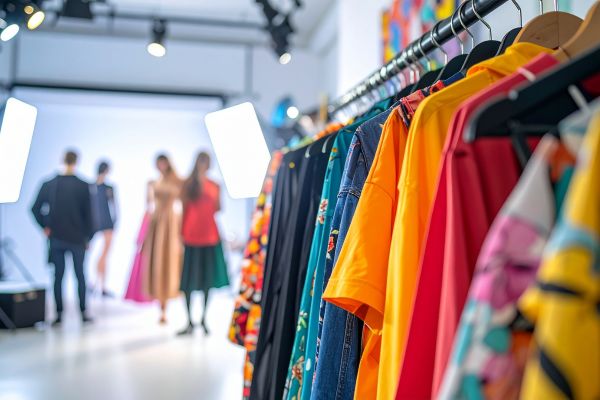
From the outside, fashion modeling often looks effortless. A polished runway show lasts fifteen minutes. A magazine campaign appears across glossy pages with perfect lighting and carefully styled poses. What most people never see, though, is the long and often emotionally exhausting process behind selecting the faces who appear in those final images.
The fashion model casting process is part audition, part interview, part instinct. It’s structured in some ways and unpredictable in others. A model can walk into ten castings and hear nothing, then suddenly book a major campaign from a meeting that lasted under two minutes. Timing, personality, appearance, energy, and even mood inside the room all play a role.
That uncertainty is part of what makes casting such a defining experience within the fashion industry. For many models, it becomes less about constant glamour and more about resilience, preparation, and learning how to navigate rejection without losing confidence.
What a Fashion Casting Actually Is
At its core, a fashion casting is a selection process where brands, designers, photographers, or creative directors review models for a specific project. That project could be a runway show, editorial shoot, advertising campaign, e-commerce catalog, beauty launch, or seasonal presentation.
Sometimes castings happen in large studios packed with dozens of hopeful models waiting quietly in line. Other times they take place over video submissions or private appointments.
The atmosphere changes depending on the job.
A luxury runway casting during fashion week may feel rushed and intensely competitive. Commercial castings tend to be more conversational. Beauty campaigns often focus heavily on facial expressions and camera presence, while runway castings place greater emphasis on movement and posture.
Despite those differences, the overall structure remains surprisingly consistent across the industry.
First Impressions Happen Fast
One reality of the fashion model casting process is that decisions are often made very quickly. Casting directors may meet hundreds of models within a single day, especially during major fashion weeks in cities like Paris, Milan, New York City, and London.
That pace creates an environment where first impressions matter enormously.
Models usually enter the room, introduce themselves, provide their portfolio or digital profile, and walk briefly for the client. In some cases, they may also pose for quick digitals or polaroids — simple natural photos taken without heavy styling or editing.
These images matter because clients want to see what someone looks like without production enhancements.
Interestingly, casting directors often notice energy before anything else. Confidence, professionalism, posture, eye contact, and attitude can influence the room immediately. Physical appearance still matters in fashion, obviously, but personality increasingly shapes decisions too.
The Role of Agencies in the Casting Process
Most professional models work through agencies that arrange castings and communicate directly with clients. Agencies submit portfolios based on what brands are seeking for a project.
If a designer wants a particular height range, aesthetic, or runway style, agencies send models they believe fit that vision.
This stage happens quietly behind the scenes, but it shapes everything that follows.
Agencies also help prepare models for castings by organizing schedules, sharing fitting details, and explaining client expectations. During busy seasons, especially around fashion week, some models attend multiple castings in a single day across different parts of the city.
The schedule can become physically exhausting surprisingly fast.
People often imagine fashion as glamorous nonstop, but many working models spend hours commuting, waiting, changing outfits, and sitting through brief meetings that may or may not lead anywhere.
Why Rejection Is So Common
Rejection is deeply woven into the fashion model casting process. Even highly successful models hear “no” constantly.
And often, the rejection has little to do with talent or attractiveness.
A model may simply not fit the creative direction for that specific collection. Perhaps the designer wants shorter hair, a softer runway walk, sharper facial features, or a different overall energy. Sometimes clients already have a nearly complete lineup and need one very specific look.
Because of this, experienced models eventually learn not to personalize every rejection.
That sounds easier than it is.
Imagine entering dozens of rooms each week where strangers silently evaluate your appearance within seconds. Maintaining confidence in that environment requires emotional discipline that outsiders rarely consider.
Many models describe casting as mentally harder than the actual jobs themselves.
Runway Casting Versus Commercial Casting
Different areas of fashion prioritize different qualities.
Runway casting focuses heavily on movement, proportions, and how garments translate visually while walking. Designers often search for a cohesive group that fits the atmosphere of an entire collection. Sometimes the casting feels almost theatrical, with creative directors imagining how each model contributes to the story of the show.
Commercial casting usually works differently.
Advertising campaigns and catalog shoots tend to prioritize relatability, expression, and personality. Clients want someone who connects naturally with the camera and feels believable within a brand’s visual identity.
This shift has become even more noticeable in recent years as fashion broadens its understanding of beauty and representation.
The industry still faces criticism around exclusivity, but there has been visible progress toward greater diversity in age, body type, ethnicity, and gender expression.
The Importance of the Model Walk
For runway work, the walk matters enormously.
A strong runway walk isn’t simply about walking in a straight line wearing expensive clothing. It involves rhythm, posture, control, timing, and awareness of the garments themselves. Different designers also prefer different styles of movement.
Some want sharp, powerful walks with dramatic pacing. Others prefer softer or more understated movement that lets the clothing remain the central focus.
During castings, models are usually asked to walk briefly while casting teams observe how the clothing moves on the body. Small details become important — shoulder tension, stride length, turns, facial expression, and overall presence.
What’s interesting is that many iconic runway walks would seem unusual in everyday life. Fashion often exaggerates movement slightly because the runway itself functions as performance.
Social Media Has Changed the Industry
The rise of social media reshaped the fashion model casting process in ways few people expected a decade ago.
Today, some clients review Instagram presence alongside traditional portfolios. Follower counts, audience engagement, and personal branding occasionally influence casting decisions, especially for commercial campaigns.
This development created mixed reactions inside the industry.
Some people appreciate the accessibility social media provides. Models can now gain visibility independently without relying entirely on agencies. Others worry that online popularity sometimes overshadows traditional modeling skills or professionalism.
Still, social media undeniably changed how fashion operates.
Models are now expected not only to pose well, but often to maintain a digital identity that aligns with modern branding culture.
Behind the Glamour Is a Lot of Waiting
One of the least discussed aspects of casting is how much waiting it involves.
Models frequently spend hours preparing for meetings that last only moments. Long lines outside studios, crowded waiting rooms, delayed schedules, and rushed appointments are all normal parts of the process.
Fashion weeks intensify this atmosphere dramatically.
Backstage environments become chaotic. Assistants rush between rooms carrying garment racks. Stylists adjust outfits seconds before fittings. Phones ring constantly. Everyone moves quickly because deadlines are unforgiving.
Yet amid that pressure, castings still rely heavily on instinct and human chemistry. Sometimes a client simply feels that a particular model fits the vision perfectly. That emotional response can outweigh technical considerations entirely.
Fashion, for all its structure, still depends heavily on intuition.
The Emotional Side of Casting
The emotional reality of modeling rarely receives enough attention.
Constant evaluation affects people differently. Some models develop thick skin quickly. Others struggle with the unpredictability and pressure to maintain confidence under constant scrutiny.
The fashion model casting process can become especially difficult for younger models entering the industry for the first time. Learning to separate personal worth from professional outcomes takes time.
At the same time, many models genuinely enjoy the creative side of the work. Castings offer opportunities to meet photographers, stylists, designers, and creative directors who shape the industry. Even unsuccessful castings sometimes lead to future opportunities later on.
Relationships matter more in fashion than people often realize.
Conclusion
The fashion model casting process exists in a strange space between art, business, performance, and personal identity. It’s fast-moving, emotionally demanding, and often unpredictable, yet it remains central to how the fashion world functions behind the scenes.
What audiences eventually see on runways, magazine covers, and campaigns represents only the polished final layer of a much larger process filled with preparation, waiting, uncertainty, and instinctive decision-making. Models navigate repeated rejection, shifting industry standards, and intense competition while still being expected to project confidence and ease.
In many ways, casting reveals the human side of fashion more honestly than the finished images ever could. Beneath the styling, lighting, and spectacle are individuals trying to connect with creative visions in rooms where decisions happen quickly and impressions linger quietly afterward.