
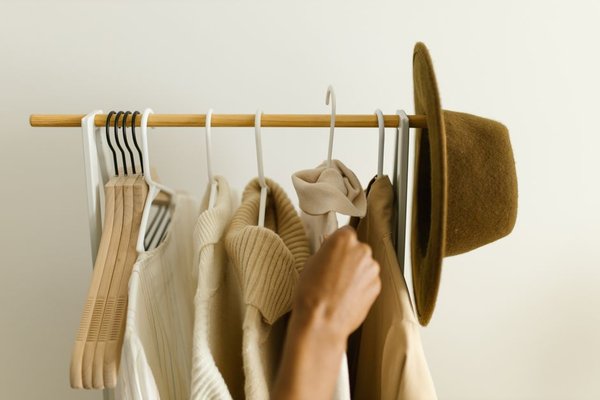
A capsule wardrobe is not a shopping list with a fixed number of white shirts and black trousers. It is a smaller collection of clothes that work for your actual routine, fit comfortably, and make getting dressed easier. That distinction matters: copying someone else’s minimalist wardrobe often leaves you with beautiful pieces you rarely wear.
If you’re wondering how to build a capsule wardrobe, start with the clothes you own rather than an empty shopping basket. The process below moves from understanding your week to testing outfits in real life. You can build it gradually, without throwing away perfectly useful clothing or committing to a strict item count.
1. Map Your Real-Life Clothing Needs
Before touching your closet, look at how you spend a typical fortnight. Think about work, commuting, time at home, social plans, exercise, and the weather where you live. Your capsule should support those activities rather than an imaginary lifestyle.
Try a simple wardrobe planning exercise: write down what you wore each day for one week, then mark which outfits felt practical and comfortable. If you work from home four days a week, you probably need more relaxed layers than office blazers. If you walk to work, comfortable footwear deserves priority over shoes chosen only for photographs.
Consider laundry frequency, too. Someone who washes clothes weekly needs enough everyday pieces to bridge that interval.
2. Audit Your Closet Without Rushing to Declutter
Take everything out by category so you can see your shirts, trousers, dresses, layers, and shoes together. This is often when duplicates and neglected favourites become obvious. Make four groups: wear regularly, needs a small fix, unsure, and ready to pass on.
The most effective closet audit tips focus on evidence. Ask whether each piece fits today, suits your climate, feels comfortable for several hours, and works with something else you already have. A jacket that needs a button may be worth repairing; jeans that pinch every time you sit probably should not anchor your everyday wardrobe.
Keep sentimental or occasional clothing separate from your working capsule instead of forcing a decision. Likewise, do not discard expensive items simply because they clash with an online minimalist fashion guide. Put uncertain pieces in a clearly labelled holding area and revisit them after you have tested the rest.
As you sort, record repeated problems rather than potential purchases. Perhaps your tops are versatile but none layer under your favourite cardigan. That is a useful gap. Buying another fashionable top before identifying the problem would not solve it.
3. Choose a Colour Palette That Connects Your Clothes
A consistent palette helps more outfits work together, but it does not require dressing exclusively in beige or black. Select two or three base colours for frequently worn pieces, then add one or two accent colours that you genuinely enjoy wearing. Your existing favourites offer better clues than a trend forecast.
For example, navy trousers, dark denim, and cream knitwear can form a base, while rust or forest green adds personality. Check your selections under natural light and alongside your shoes and outerwear. Colours that look coordinated on a mood board can feel different beside your actual garments.
Use the palette as a filter, not a rule. A beloved patterned shirt may still belong if it pairs with several bottoms. If colour coordination feels tricky, a practical guide to mixing neutral colours can help you recognise combinations you already own rather than pushing you toward a full replacement wardrobe.
4. Build Outfit Combinations Before Buying Anything
Now choose a small working selection from your regular-wear pile. Include tops, bottoms, layers, and footwear suitable for the activities you identified earlier.
Instead of counting hangers, create complete outfits. Lay one pair of trousers on the bed and try it with your available tops, outer layers, and shoes. Photograph combinations you like. Repeat with other bottoms, noting which pieces connect naturally and which only work in one narrow situation.
Here is a realistic test: a commuter might pair dark trousers with a T-shirt and trainers for a casual day, then use the same trousers with a button-down and loafers for a meeting. If the outfit changes feel comfortable and appropriate, those garments are doing useful work.
Make a short list of genuine gaps only after this exercise. Perhaps you need a light layer for unpredictable temperatures, or a versatile shoe for your workplace. Prioritise fit, care requirements, and budget over matching a prescribed checklist. Learning how to create outfits from fewer clothes is usually more valuable than purchasing another supposedly essential item.
5. Wear, Review, and Refine Your Capsule
Try your selected wardrobe for two to four weeks. Keep a brief note when an outfit works particularly well or when you repeatedly avoid a garment. The point is not to prove you can live with the fewest possible items; it is to discover which ones earn their space.
At the end of the trial, look for friction. Did you run out of clean shirts? Were your shoes unsuitable for rainy days? Did one colour remain unworn? Adjust the collection based on those observations. You might return a stored piece to rotation, mend an old favourite, or make one carefully chosen purchase.
Seasonal changes deserve a review, not an overhaul. Store off-season garments where practical and bring them back when temperatures shift. A useful guide to seasonal wardrobe transitions can help you rotate layers while keeping the core outfits familiar.
Leave room for enjoyment as well. Personal style is not a problem that minimalist rules need to fix. If a bright coat makes you happy and you wear it often, it has a perfectly good reason to stay.
Frequently Asked Questions
How many clothes should a capsule wardrobe have?
There is no required number. Some people prefer a tightly edited collection, while others need more pieces for different settings or longer laundry cycles. Start with the outfits you actually wear, then reduce duplication only where it makes life easier.
Can I build a capsule wardrobe on a budget?
Yes. Shop your own closet first, repair wearable pieces, and identify precise gaps. If you need something, consider second-hand options and compare quality, fit, and care requirements before buying.
Do all my clothes need to match?
No. A coherent palette makes mixing easier, but distinctive colours and patterns can stay. Aim for enough compatible combinations to cover your routine, not for every garment to pair with every other one.
How often should I update my capsule?
Review it when your season, lifestyle, sizing, or work requirements change. A short check after your initial trial and occasional seasonal reviews are more useful than constant shopping or strict monthly resets.
Make the Wardrobe Work for You
The best capsule wardrobe is one you can wear on an ordinary Tuesday, not just admire in a neatly arranged closet. Start with your real schedule, audit what you already own, connect pieces through colour, build outfits, and test them before spending money. That five-step process gives you a wardrobe that feels simpler without losing comfort, practicality, or personality.