
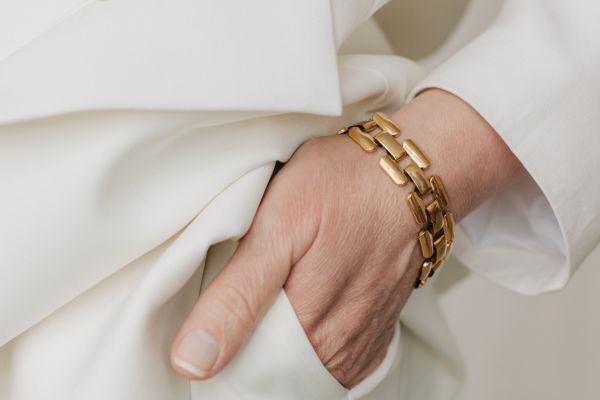
For a long time, men’s jewelry was treated like a small detail rather than a real part of personal style. A wedding ring, a watch, maybe a simple chain, and that was considered enough. Anything beyond that could feel a little bold, maybe even risky, depending on the setting. But fashion has moved on, and thankfully, men’s style has become much more open, expressive, and personal.
Today, jewelry is no longer just an accessory hiding in the background. It can shape an outfit, add character, and tell people something about your taste before you even say a word. The real question is not whether men should wear jewelry. It is how to wear men’s jewelry in a way that feels natural, confident, and true to your personality.
The good news is that you do not need to cover yourself in rings, chains, bracelets, and earrings to look stylish. In fact, the strongest jewelry choices are often the ones that feel intentional. A single silver chain, a clean signet ring, a leather bracelet, or a watch with personality can change the whole mood of an outfit. The secret is learning what suits you, what fits the occasion, and what feels comfortable enough to actually wear.
Start with Jewelry That Feels Like You
The easiest way to begin wearing jewelry is to avoid treating it like a costume. If a piece feels too far from your normal style, you will probably feel awkward in it. And when you feel awkward, it shows. So start with something that connects naturally to the clothes you already wear.
If your style is classic, a simple watch, a slim chain, or a minimal ring may be enough. If you lean toward streetwear, you might feel more comfortable with a thicker chain, stacked bracelets, or a bolder ring. If your wardrobe is relaxed and earthy, leather, beads, brushed metal, or vintage-style pieces may feel more natural than polished gold.
Jewelry should not feel like it has been placed on top of your outfit by mistake. It should feel like it belongs there. That does not mean everything has to match perfectly, but it should work with your general mood. A man in a plain white tee, dark jeans, and a clean chain can look more stylish than someone wearing five expensive pieces that do not connect with the outfit.
Confidence begins when the jewelry feels like part of you, not something you are trying too hard to perform.
Keep It Simple When You Are Starting Out
If you are new to men’s jewelry, simplicity is your best friend. Start with one or two pieces and see how they feel throughout the day. A watch and a ring. A chain and a bracelet. A pair of small earrings and a clean necklace. You do not need to build a full jewelry look overnight.
This matters because jewelry changes how you carry yourself. A ring can feel noticeable at first. A necklace might catch your attention every time you move. A bracelet may feel strange against a keyboard or jacket cuff. These are small things, but they affect comfort. By starting simple, you give yourself time to adjust.
A minimal approach also makes styling easier. When you wear fewer pieces, each one has room to stand out. A plain black shirt with a silver chain can feel sharp. A navy sweater with a watch and signet ring can feel quietly refined. Even a casual hoodie can look more styled with the right necklace or bracelet.
Learning how to wear men’s jewelry is really about building comfort slowly. Once one piece feels normal, you can add another. Over time, your eye gets better, and your confidence grows without feeling forced.
Understand the Difference Between Statement and Everyday Pieces
Not all jewelry plays the same role. Some pieces are meant to be worn almost daily. Others are made to stand out. Knowing the difference helps you avoid looking overdone.
Everyday pieces are usually simple, versatile, and easy to pair with different outfits. A slim chain, a clean watch, a plain band ring, or a subtle bracelet can move from casual clothes to smart outfits without much effort. These pieces become part of your signature style because they do not demand too much attention.
Statement pieces are different. They have more weight, color, shine, size, or detail. A chunky ring, bold pendant, layered chains, or eye-catching bracelet can become the center of your outfit. These are great when the rest of the look is simple enough to support them.
The mistake happens when every piece tries to be the main character. If your necklace is bold, your rings may need to be quieter. If your watch is large and detailed, you might not need heavy bracelets on the same wrist. Good styling often comes down to balance, and jewelry is no exception.
Match Metals Without Overthinking It
One of the most common questions men have about jewelry is whether metals need to match. The simple answer is that matching metals creates a cleaner, more polished look, especially when you are starting out. Silver with silver. Gold with gold. Black metal with darker accessories. It is easy, safe, and usually stylish.
That said, mixing metals is not a crime. It can look modern and relaxed when done with intention. For example, a silver watch with a gold ring can work if the rest of the outfit feels balanced. A two-tone watch can also make mixed metals look more natural. The key is to avoid a random mix that looks accidental.
Skin tone can also influence what feels best, though it should not become a strict rule. Silver often looks cool and understated, while gold feels warmer and more noticeable. Rose gold can feel softer and slightly more fashion-forward. Black jewelry gives a sharper, edgier feel, especially with dark outfits.
Rather than obsessing over rules, pay attention to harmony. Look in the mirror and ask whether the pieces feel connected. If they do, you are probably fine.
Let Necklaces Work with Your Neckline
Necklaces can be one of the easiest ways to add style, but they work best when they suit the neckline of your shirt. A simple chain looks great with a crew neck because it can sit just above or slightly below the collar. With an open shirt or V-neck, a necklace can show more clearly and add a relaxed, confident detail.
Length matters too. A shorter chain feels cleaner and more subtle. A medium-length chain is more visible and often works well with casual outfits. A longer pendant can add personality, but it needs space. If the pendant is constantly fighting with buttons, collars, or layers, the look can feel messy.
Layering necklaces can look stylish, but it should be done carefully. Two chains with slightly different lengths usually work better than several pieces of the same size. Mixing a plain chain with a small pendant is also a good way to add interest without making the outfit feel crowded.
A necklace should frame the face and outfit. It should not distract from both.
Rings Add Personality Quickly
Rings are small, but they have a strong presence. They are also one of the easiest ways to make an outfit feel more personal. A simple band can feel clean and masculine. A signet ring can add a vintage or classic touch. A textured ring can make casual outfits feel more considered.
If you are not used to rings, start with one. Wear it on a finger that feels comfortable and natural. Many men prefer the ring finger, pinky, or index finger, depending on the style of the ring. There is no need to follow old-fashioned rules too strictly, unless the ring has a specific meaning to you.
The size of the ring should match your hand and your overall style. Very thin rings may disappear on larger hands, while oversized rings can look heavy if the rest of the outfit is minimal. The goal is proportion.
Rings also show up in everyday gestures. Holding a cup, typing, shaking hands, taking a photo, adjusting your jacket. That is why they feel more noticeable than some other accessories. Choose rings that you enjoy seeing often.
Bracelets and Watches Should Share Space Well
Watches and bracelets naturally sit in the same style zone, so they need to work together. A watch already carries visual weight, especially if it has a large face, metal strap, or detailed design. If you add bracelets, they should complement it rather than compete with it.
A leather bracelet can soften a metal watch. A thin chain bracelet can add polish. Beaded bracelets can feel relaxed, but too many at once may look cluttered. The best combinations usually feel easy, not stacked for attention.
You can wear bracelets on the opposite wrist from your watch if you want more balance. This often works well when both pieces have some personality. If you prefer a cleaner look, keep everything on one wrist but limit the number of pieces.
Comfort matters here, too. If bracelets make noise, catch on sleeves, or get in the way all day, you will stop wearing them. Style should add confidence, not irritation.
Choose Jewelry for the Occasion
Jewelry should fit the setting. A casual weekend outfit gives you more room to experiment with chains, rings, bracelets, and earrings. A dinner outfit can handle something polished and slightly bold. A workplace or formal event may call for a more restrained approach.
This does not mean men have to hide their style in professional settings. It simply means the jewelry should feel appropriate. A clean watch, subtle ring, and simple chain can look refined without distracting from the overall outfit. For formalwear, less is often stronger. A tuxedo or tailored suit usually looks best with carefully chosen pieces rather than too many accessories.
Context also includes culture, environment, and personal comfort. What feels normal in one setting might feel too loud in another. The more aware you are of the occasion, the easier it becomes to choose jewelry that enhances your look rather than confusing it.
Make Jewelry Part of Your Personal Style
The best jewelry choices develop over time. You may start with one chain and later realize you prefer rings. You may try gold and find that silver feels more natural. You may think you like bold pieces, then discover that subtle details suit you better. That is all part of the process.
Personal style is not built in one shopping trip. It grows through wearing things, noticing what feels right, and letting go of what does not. Jewelry is especially personal because it sits close to the body. It can carry memories, habits, meanings, or just a sense of identity.
That is why confidence matters more than perfection. The most stylish men are not always wearing the most expensive pieces. They are wearing pieces that make sense on them. Their jewelry looks lived-in, not borrowed. It feels connected to their clothes, their attitude, and their daily rhythm.
Conclusion
Learning how to wear men’s jewelry is less about following strict rules and more about developing a good eye for balance, comfort, and personality. Start with simple pieces, pay attention to fit and proportion, choose metals and styles that suit your wardrobe, and let each accessory serve a purpose. Jewelry should add something to your look, not overwhelm it.
A watch, ring, chain, bracelet, or earring can quietly change the way an outfit feels. It can make basics look sharper, formalwear feel more personal, and casual clothes seem more intentional. But the real difference comes from confidence. When you wear jewelry naturally, it stops looking like an extra detail and starts becoming part of your style.
In the end, men’s jewelry is not about trying to look flashy or fashionable for the sake of it. It is about expression. It is about finding those small pieces that help you feel more like yourself, only a little more polished.