
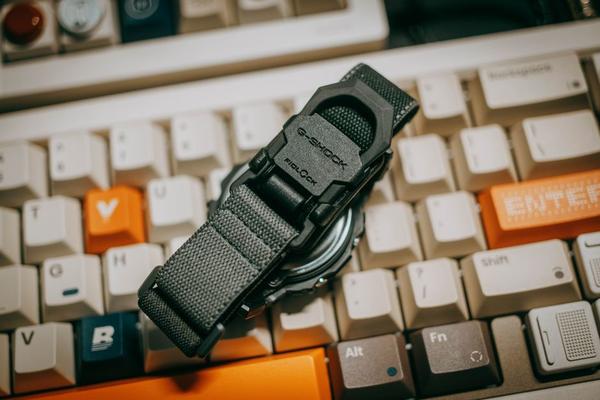
A watch can feel like a different accessory after a simple strap change. A smooth leather band makes a sporty case look more refined, while rubber gives the same watch a practical, outdoors-ready character. The best watch strap types are not just about appearance: material affects weight, airflow, water exposure, maintenance, and how comfortably a watch stays on your wrist throughout the day.
Leather Watch Straps: Classic and Versatile
A leather watch strap is a natural choice for dress watches, minimalist designs, and traditional everyday pieces. Smooth black or brown leather looks polished with tailoring; suede and textured leather create a softer, more relaxed impression.
Good leather gradually conforms to your wrist, although a stiff new strap may require a short break-in period. Its main weakness is moisture. Regular exposure to sweat, swimming water, or heavy rain can stain leather, damage its lining, and weaken the stitching. Leather is therefore better for office wear and occasional outings than repeated workouts.
For a slim dress watch, a thin, tapered strap often looks more balanced than a thick, heavily padded one. Examine the lining, stitching, and finished edges before buying.
Metal Bracelets: Durable Everyday Options
A metal bracelet watch usually has interlocking links made from stainless steel, although titanium and other materials are available. Steel suits sports watches, divers, and many everyday designs. Brushed links look understated, while polished sections add shine and make scratches more noticeable.
Metal handles water and everyday wear well, but comfort depends on fit and construction. A heavy bracelet can feel substantial, and poorly finished links may catch wrist hair. Removable links and clasp micro-adjustments help achieve a secure fit without excessive pressure.
Link Bracelets Versus Milanese Mesh
Link bracelets have a structured look and often suit larger watch cases. Milanese mesh uses finely woven metal, creating a more flexible and dressier appearance. Adjustable mesh clasps can help when fixed link sizes leave a bracelet too loose or tight.
Rubber and Silicone: Made for Active Days
A rubber watch band is a strong choice for exercise, humid weather, and frequent contact with water. Rubber does not absorb moisture like leather, and it is usually easy to rinse clean. Some straps have ventilation channels or curved ends that improve comfort and fit around a sports-watch case.
Not every rubber-like material performs identically. Natural rubber, synthetic rubber, and FKM fluoroelastomer can differ in flexibility, resistance to oils, and long-term ageing. Higher-quality compounds often justify their price when a strap sees daily outdoor use.
How Silicone Differs
Silicone bands are typically soft, flexible, and available in plenty of colours. They are popular on fitness watches and casual designs, but some attract lint or feel sticky against sweaty skin. Over time, thin areas around adjustment holes may tear. Choose based on the feel and construction of the actual band rather than treating “silicone” and “rubber” as interchangeable quality labels.
Remember that a water-friendly strap does not make the watch itself waterproof. Always check the watch manufacturer’s water-resistance guidance before swimming.
Fabric Straps: Lightweight, Casual, and Adaptable
Fabric is a broad category among watch band types, covering nylon, canvas, woven elastic, and other textiles. These straps are often lightweight, affordable, and easy to swap when you want a different colour or pattern. Their relaxed appearance works especially well with field watches, casual chronographs, and uncomplicated everyday watches.
NATO, Perlon, and Canvas
A NATO-style strap typically passes under the watch case, using a one-piece arrangement that keeps the watch supported even if one spring bar fails. That extra layer can make the case sit higher on a small wrist. Perlon’s open weave is airy and frequently allows flexible buckle placement; canvas offers a more rugged, textured appearance.
Most nylon straps tolerate splashes and washing better than leather, but woven material can hold water against the skin until dry. Rinse away sweat and salt, then allow the strap to dry fully. Fabric is a useful choice for warm-weather casual outfits, not automatically the best option for long periods in the water.
Hybrid and Specialty Materials
Hybrid straps combine materials to balance appearance and function. A leather-faced strap with a rubber lining, for instance, may feel more comfortable during a humid commute while keeping a classic look. It still needs sensible care: leather tops, seams, and adhesives can remain vulnerable to prolonged soaking.
Other options include synthetic leather, ceramic links, and lightweight titanium bracelets. Ceramic can resist surface scratching but may chip after an impact. Synthetic leather varies greatly in quality and may peel with age.
Choose by the Day You Actually Have
Imagine wearing one watch to the office, cycling home, and meeting friends for dinner. A dark leather strap might be perfect at your desk but uncomfortable after a sweaty ride. A well-fitted rubber strap is easier to clean; switching back to leather before dinner changes the appearance without replacing the watch.
For formal clothing, start with slim leather or restrained metal mesh. For everyday versatility, consider a brushed steel bracelet. For workouts, swimming, or humid conditions, look at rubber or silicone. For relaxed weekends, nylon and canvas offer easy colour changes. Case proportions matter too: a bulky strap can overwhelm a slim watch, while a delicate band may look undersized beside a large diver.
When refining the overall look, compare watch case sizes, dress watch styling, and watch clasp types. These details can influence which strap feels balanced and secure.
Check Fit Before Buying a Replacement
Measure the lug width, the inside gap between the two points where the strap attaches, in millimetres. A watch with a 20 mm lug width generally needs a 20 mm attachment, regardless of its case diameter. Also check strap length, thickness, buckle size, and whether the watch uses standard spring bars or a proprietary connection.
Quick-release spring bars make changes convenient, but the pins must seat securely. After fitting a new strap, gently tug each side and check that both spring bars are engaged before wearing the watch outdoors. For an unfamiliar attachment system, a watch repairer can prevent damaged lugs or a dropped watch.
Frequently Asked Questions
Which watch strap type lasts the longest?
A well-made metal bracelet can last many years with cleaning and occasional clasp or pin maintenance. Durable rubber and nylon also perform well, but lifespan depends on construction and how the strap is used.
Are leather straps suitable for everyday wear?
Yes, particularly for work and low-sweat activities. Let leather dry naturally after damp wear, and rotate straps if you exercise regularly.
Is a rubber strap better than silicone?
Neither is universally better. Consider the specific material, softness, lint attraction, ventilation, resistance to wear, and quality of the buckle.
Can any strap fit any watch?
No. Lug width, connection design, strap thickness, and case clearance must all match. Some smartwatches and integrated-bracelet models require proprietary fittings.
Find the Right Balance
The most useful strap is the one that suits both the watch and the way you wear it. Leather offers polish, metal brings lasting versatility, rubber and silicone simplify active use, and fabric adds lightweight personality. With the correct fit and a little routine care, one watch can comfortably serve several different parts of your life.