
A well-built wardrobe should make getting dressed easier, not give you more decisions to make. That is the idea behind a capsule wardrobe: a focused collection of versatile clothes that fit well, work together and suit your actual lifestyle. Instead of owning dozens of pieces that rarely leave the hanger, you rely on a smaller selection that can take you from the office to the weekend with minimal effort.
The best men’s capsule wardrobe essentials are not trend-driven or overly formal. They are dependable pieces in complementary colours, comfortable fabrics and flattering cuts. Once you have the right foundation, you can create more outfits with fewer clothes, shop more intentionally and develop a personal style that feels consistent rather than repetitive.
What Is a Men’s Capsule Wardrobe?
A capsule wardrobe for men is a carefully selected collection of clothing that can be mixed and matched across different settings. It usually includes everyday tops, trousers, layering pieces, shoes and a small number of accessories. Most pieces should work in several outfits rather than serving only one specific occasion.
There is no strict number you must follow. Some men prefer a compact wardrobe of around 25 pieces, while others need 40 or more to cover work, social plans, exercise and seasonal weather. The goal is not to own as little as possible. It is to remove unnecessary duplication and keep clothes that genuinely earn their place.
Start With a Practical Colour Palette
A cohesive colour palette is what makes a capsule wardrobe easy to style. Begin with neutral shades such as navy, charcoal, grey, white, beige, olive and black. These colours combine naturally and are suitable for most workplaces, weekends and casual occasions.
You do not need to avoid colour completely. Add one or two accent shades that complement your complexion and existing clothes. Burgundy, forest green, rust and light blue are versatile options. Keeping the overall palette controlled means your shirts, trousers, jackets and shoes will create far more combinations.
Essential Tops for Everyday Wear
Plain T-Shirts
A few well-fitting T-shirts form the casual foundation of minimalist men’s style. Choose quality cotton in white, grey, navy and black, depending on which shades suit you best. The fit should skim the body without clinging, with sleeves ending around the middle of the upper arm.
Plain T-shirts can be worn alone, layered under overshirts or paired with smarter trousers for a relaxed but polished outfit. Prioritise fabric weight and construction over large logos or seasonal graphics.
Oxford and Casual Shirts
An Oxford shirt is one of the most useful men’s wardrobe basics because it sits comfortably between formal and casual dressing. White and light blue versions work with chinos, jeans, tailored trousers and shorts. They can also be worn buttoned up, open over a T-shirt or layered beneath knitwear.
A casual shirt adds variety without reducing versatility. Consider chambray, brushed cotton or a subtle pattern such as a fine stripe. Avoid prints that are difficult to combine with the rest of your wardrobe.
Smart Work Shirts
If your job requires formal clothing, include two or three crisp shirts in white, pale blue or another understated shade. Look for a comfortable collar, enough room across the shoulders and a length that stays tucked in. Men working in casual environments may need only one smart shirt for interviews, weddings and important meetings.
The Trousers Every Capsule Wardrobe Needs
Dark Jeans
Dark indigo or black jeans are more adaptable than heavily faded or distressed styles. A straight or gently tapered cut works with trainers, boots and smarter shoes. They can be dressed down with a T-shirt or elevated with an Oxford shirt and blazer.
Chinos
Chinos are essential when jeans feel too casual but tailored trousers seem too formal. Navy, stone, olive or khaki pairs work particularly well in a capsule wardrobe for men. Choose a clean, simple design without excessive pockets or decorative details.
Tailored Trousers
Charcoal or navy tailored trousers provide a polished option for work, dinners and formal events. They do not necessarily need to be part of a matching suit. A modern pair with a comfortable rise and subtle taper can also be worn with knitwear, polo shirts and clean trainers.
Versatile Layers for Changing Weather
Lightweight Knitwear
A merino wool or cotton crew-neck jumper is easy to layer over shirts and T-shirts. Navy, grey or oatmeal offers maximum flexibility. A quarter-zip can also work, particularly in smart-casual offices, although a simple crew neck usually has greater long-term versatility.
Overshirt or Casual Jacket
An overshirt adds structure to a basic outfit without feeling as formal as a blazer. Look for one in navy, olive, tan or charcoal. Denim jackets, Harrington jackets and simple chore coats can serve a similar purpose, so select the style that best matches your day-to-day routine.
Blazer or Unstructured Jacket
A navy blazer is valuable for men who regularly attend meetings, dinners or smart-casual events. An unstructured design feels more relaxed and pairs easily with chinos or dark jeans. It should fit cleanly through the shoulders and allow enough room for a shirt or lightweight jumper underneath.
A Weather-Appropriate Coat
Your main coat should suit your climate and lifestyle. A wool overcoat is ideal for smarter winter dressing, while a mac, trench coat or water-resistant parka may be more practical in wet conditions. Choose a neutral colour and enough length to cover the layers you wear most often.
Choose Shoes That Cover Multiple Occasions
Most men can build a functional footwear rotation with three or four pairs. Clean white or neutral leather trainers handle everyday casual outfits. Brown or black leather shoes cover formal occasions, while Chelsea boots, desert boots or minimal lace-up boots work across smart and casual settings.
Add specialist footwear only when your lifestyle requires it. Running shoes, hiking boots and work-specific footwear can sit outside the main capsule because they serve practical purposes. Focus on comfort, durability and designs that coordinate with several trousers.
Do Not Overlook Accessories
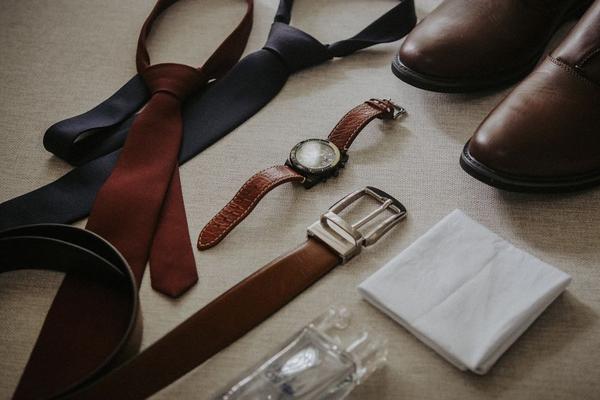
Accessories may be small, but they help complete a streamlined wardrobe. A simple leather belt in a colour that complements your formal shoes is a sensible starting point. Add a practical watch, a weather-appropriate scarf and a structured bag or backpack that suits both work and casual use.
Socks should also support the wardrobe rather than complicate it. Neutral pairs are easy to coordinate, while a few subtle colours or patterns can add personality. Avoid buying large numbers of accessories before the core clothing is established.
How to Build Your Capsule Wardrobe Gradually
Begin by reviewing what you already own. Remove clothes that no longer fit, feel uncomfortable or have not been worn for a long time. Then identify the genuine gaps. You may discover that you already have enough shirts but lack dependable trousers, suitable layers or shoes that work with multiple outfits.
Buy slowly and prioritise fit over brand names. One excellent pair of trousers is more useful than three average pairs that require constant adjustment. Whenever you consider a new purchase, imagine at least three outfits you could create with it. If it only works with one item, it may not belong in your capsule.
Quality matters, but expensive does not automatically mean better. Examine stitching, fabric, buttons, zips and care requirements. Choosing durable, easy-to-maintain pieces will help your wardrobe stay functional for longer and reduce the need for frequent replacements.
Frequently Asked Questions
How many pieces should a men’s capsule wardrobe include?
Most capsule wardrobes contain approximately 25 to 40 core pieces, excluding underwear, sportswear and highly specialised clothing. The right number depends on your job, climate, laundry routine and social life.
What colours are best for men’s capsule wardrobe essentials?
Navy, grey, white, black, beige and olive are reliable foundation colours. Select two or three main neutrals and add a small number of complementary accent shades to keep outfits interesting.
Can a capsule wardrobe work for both business and casual outfits?
Yes. Choose adaptable pieces such as Oxford shirts, chinos, dark jeans, fine knitwear and an unstructured blazer. These can be combined differently to suit work, weekends and evening plans.
How often should a capsule wardrobe be updated?
Review it at the start of each season or every six months. Replace worn-out items, adjust for lifestyle changes and add new pieces only when they fill a clear gap.
Build a Wardrobe That Works Harder
The strongest capsule wardrobe is not the smallest or most expensive one. It is the collection that reflects how you genuinely live. By focusing on fit, versatility, coordinated colours and reliable quality, you can create a wardrobe that feels polished without demanding constant thought.
Start with the essential men’s wardrobe basics, improve one category at a time and resist buying pieces simply because they are fashionable. Over time, you will have fewer unused clothes, more dependable outfits and a clear approach to minimalist men’s style that still feels personal.