
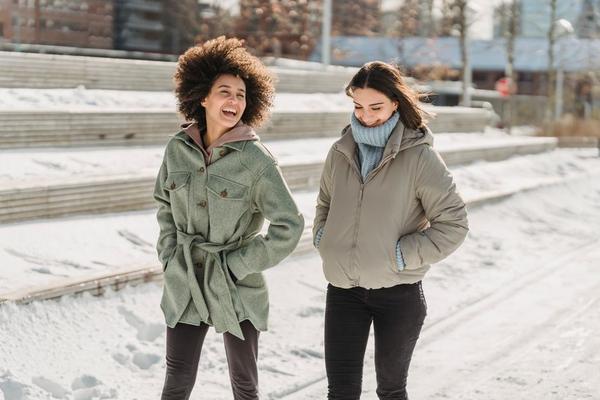
The best winter coats for women in 2026 are not necessarily the bulkiest or most expensive. The right coat is warm enough for your daily journey, comfortable over your usual layers and appealing enough to wear repeatedly. A long puffer solves a different problem from a tailored wool coat, while a trench can suit rainy afternoons but struggle on freezing evenings.
This comparison ranks women’s winter coats by their most useful role, including the advantages, drawbacks and buying details worth checking before you spend.
Winter Coats Ranked by Style
1. Longline Puffer: Best Overall for Cold Commutes
A knee-length or mid-thigh puffer offers dependable coverage for people spending time outdoors. Insulated panels trap warmth, while a high collar, adjustable hood and snug cuffs reduce drafts. Look for wind-resistant fabric and a two-way zip that makes sitting or climbing stairs easier.
The compromise is bulk. Oversized quilting may feel awkward on crowded transport. For damp climates, synthetic insulation or weather-protective construction is often more practical than unprotected down. A straight silhouette usually layers more easily than a tightly waisted cut.
2. Tailored Wool Coat: Best for Workwear
A single-breasted wool coat elevates tailored trousers, dresses and office knitwear without looking sporty. Start any wool coat guide with fabric composition: inspect wool percentage, density, lining and fastenings rather than assuming that an expensive label means greater warmth.
Wool fibers trap insulating air, but an open-front fashion coat is not a substitute for a sealed parka in icy wind. Try a mid-calf style over your thickest sweater. If the shoulders pull when you reach forward, choose a different cut.
3. Short Puffer Jacket: Best for Everyday Style
A hip-length puffer jacket works with high-rise jeans, wide-leg trousers and sneakers. It offers freedom of movement and packs more easily than a full-length coat. Check where the hem lands when you raise your arms; very cropped styles expose your waist to cold air.
Down offers excellent warmth for its weight in dry conditions. Synthetic fill generally performs better when damp and dries faster. Neither material guarantees warmth by itself: fill quantity, fit, seams and wind protection all influence comfort.
4. Belted Wrap Coat: Best for Flexible Fit
A belted wrap coat creates shape without a rigid tailored silhouette. It is useful when alternating between fine knits and bulky cardigans. Choose substantial fabric, generous front overlap and a belt that stays securely tied.
Its weakness is the opening: wind can find its way between loose panels. This design suits moderate winters and shorter journeys better than prolonged exposure to freezing weather. A buttoned wool coat provides a more reliable closure.
5. Waterproof Insulated Parka: Best for Wet Weather
For freezing rain and slushy sidewalks, weather protection takes priority over a streamlined outline. Look for a waterproof outer shell, protected seams, an adjustable hood and secure cuffs. Check the product specification: water-resistant does not mean waterproof.
A parka may feel heavy in overheated buildings. If temperatures fluctuate widely, a roomy waterproof shell over a removable insulated layer can be more flexible than one very warm coat.
6. Lightweight Quilted Coat: Best for Mild Winters
Diamond-stitched quilted coats offer a softer alternative to puffers. They suit errands, travel and places where mornings are chilly but afternoons turn mild. Collarless versions can even fit beneath a spacious raincoat.
Thin quilting does not automatically mean effective deep-winter insulation. Check the amount of fill and whether the outer fabric blocks wind. In consistently cold climates, treat this as a layering piece rather than your only coat.
7. Trench-Style Winter Coat: Best for Transitional Weather
A trench looks sharp over office clothes and works well in cool, rainy conditions. Winter-ready versions may have heavier fabric, removable liners and enough room for knitwear. An unlined cotton trench, however, is mainly a weather shell, not an insulated coat.
This is a strong option for mild winters or as a second coat. Choose a secure front closure and remember that some water-repellent finishes only handle light showers, not sustained rain.
Choose Your Coat by Climate, Not Just Appearance
Start with your coldest regular routine rather than your city’s record low. Someone walking twenty minutes to a train station needs more coverage than someone stepping from a heated car into an office. Wind, precipitation and outdoor exposure matter alongside temperature.
For dry, cold weather, favor insulated puffers. For cool and mostly dry city days, dense wool can work with suitable layers. In persistent rain, prioritize waterproof construction and insulation compatible with wet conditions.
Consider a commuter wearing a blazer who waits fifteen minutes for a bus and walks another ten minutes afterward. A slim wool coat may photograph beautifully, yet a mid-thigh insulated puffer with roomy shoulders and a protected zip may be the more comfortable everyday purchase. Try both over the actual blazer.
What to Check Before Buying
Insulation and Weather Protection
Do not compare down coats by fill power alone. Fill power describes loft, not the total amount of down inside the garment. A high figure cannot tell you which finished coat is warmer without considering fill weight and construction.
Test zippers, cuffs, pockets and hood adjustments. Two-way zips are particularly useful on long coats. Be skeptical of vague claims such as “ultra warm” without details about insulation and weather resistance.
Fit, Length and Value
Try the coat over your bulkiest planned layer. Reach forward, raise your arms, sit and fasten every closure. Petite shoppers may like a mid-thigh hem, while taller shoppers should inspect sleeve and overall length. Comfort and movement matter more than rigid body-shape rules.
If your budget is limited, prioritize weather protection, durable hardware and realistic fit. A reliable synthetic puffer may offer better value than an elegant wool coat you cannot wear comfortably in your climate. For styling inspiration, explore a winter capsule wardrobe and ideas for layering clothes in cold weather.
Frequently Asked Questions
What is the best winter coat style for 2026?
A longline insulated puffer is the most versatile choice for cold commutes. A tailored wool coat is excellent for polished outfits in milder weather, while a waterproof insulated parka is better for prolonged wet, windy conditions.
Are wool coats warmer than puffer jackets?
Not automatically. Warmth depends on fabric weight, insulation, construction, fit and exposure. Many insulated puffers outperform lightweight fashion wool coats outdoors, while substantial wool can be comfortable for shorter, drier city journeys.
Should I buy down or synthetic insulation?
Down is lightweight and compressible, making it well suited to dry cold. Synthetic insulation generally retains more warmth when damp and dries faster. Decide based on your climate, care preferences and the overall garment design.
Can a trench coat work in winter?
Yes, for mild winters or with warm layers underneath. An unlined trench is rarely enough for freezing conditions. Look for an insulating liner and check whether the fabric is water-resistant or actually waterproof.
Final Verdict
The best winter coats for women in 2026 balance personal style with real protection. Choose a long puffer for commuting, wool for tailored versatility or an insulated parka for rough weather. Before buying, test the fit over everyday layers and picture the coat on your coldest ordinary morning. That practical test matters more than any trend.