
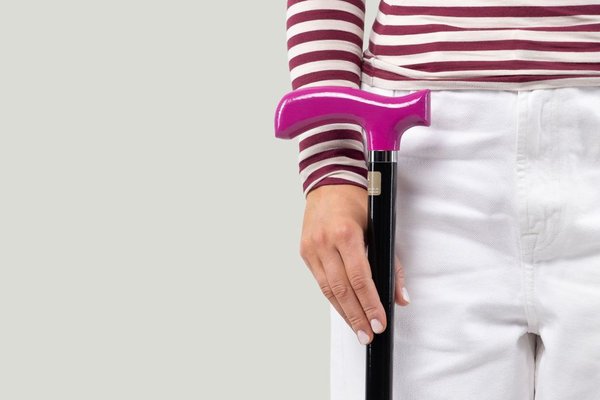
Getting dressed should not become a daily obstacle simply because hands are less flexible, balance has changed or certain movements now cause discomfort. Adaptive fashion for seniors is designed around those realities, but the best pieces do more than solve a practical problem. They also protect personal style, independence and dignity.
Good adaptive clothing does not have to look clinical. A smart cardigan can close with hidden magnets, trousers can have a flexible waistband, and a familiar blouse can be cut to make dressing easier without changing its appearance. The aim is not to create a separate wardrobe for older people. It is to make ordinary clothing work better.
What makes clothing adaptive?
Adaptive clothing includes design features that reduce the effort needed to dress, undress or manage clothing throughout the day. Some garments are intended for independent dressing, while others make assisted dressing safer and more comfortable for both the wearer and a family member or carer.
Common features include magnetic or hook-and-loop closures, side-opening trousers, wider necklines, easy-access fastenings, elasticated waists, flat seams and open-back designs. The right feature depends on the person. Someone with arthritis may need simpler fastenings, while a wheelchair user may benefit more from a seated cut with extra coverage at the back and less fabric bunching at the front.
Start with the dressing difficulty, not the label
The most useful way to shop is to identify the exact point where dressing becomes difficult. Is it reaching behind the body, pulling clothing over the head, managing small buttons, stepping into trousers or bending to put on shoes? Once the obstacle is clear, suitable senior clothing options become much easier to compare.
For example, imagine a woman who still enjoys tailored outfits but struggles with shoulder movement. Replacing every blouse with an oversized top may make dressing easier, yet it may not feel like her style. A better solution could be a front-opening blouse with concealed magnetic fastenings and a slightly stretchier fabric. The appearance stays polished while the difficult movement is removed.
Adaptive features that can still look stylish
Discreet magnetic fastenings
Magnets can replace buttons or snaps while preserving the look of a conventional shirt, cardigan or jacket. They are helpful for people with reduced grip or dexterity. However, magnetic garments may not be suitable for everyone with certain implanted medical devices, so the product guidance and relevant medical advice should be checked before purchase.
Flexible waistbands and side openings
Elasticated waists are not limited to leisurewear. Well-designed trousers and skirts can combine stretch with structured fabric, neat seams and a tailored shape. Side openings can also make garments easier to pull on while keeping the front smooth.
Soft fabrics and flatter seams
Comfortable senior fashion often depends as much on fabric as fastening. Soft, breathable materials, tag-free labels and flatter seams may reduce rubbing or irritation. Stretch can support movement, but fabric should also recover its shape rather than becoming loose after a few wears.
Seated cuts
Clothing designed for seated wear is shaped differently from standard clothing. Trousers may rise higher at the back, sit lower at the front and use carefully positioned seams or pockets. This can improve coverage and reduce pressure or bunching during long periods of sitting.
How to choose easy dress clothing for elderly relatives
Buying on someone else’s behalf requires more than checking size. Personal taste matters. A practical garment that the wearer dislikes may remain in the wardrobe, while a familiar colour, print or silhouette is more likely to be worn with confidence.
Before buying, consider how the person normally dresses, who assists them, where the clothing will be worn and how it will be washed. A garment for independent home dressing may need different features from one used in a care setting. Easy laundering, clear care instructions and durable fastenings are especially useful when clothing is washed frequently.
It also helps to measure the body rather than relying on an old size label. Changes in posture, swelling, seated position or weight distribution can affect fit. Check the brand’s own size guide and, where possible, choose a retailer with a straightforward returns policy.
Style should remain part of the decision
Older adults do not lose their preferences when dressing becomes harder. Someone who has always worn crisp shirts may not want jersey tops. A person who loves colour may find neutral practical clothing dispiriting. Adaptive fashion works best when function is built into the styles a person already enjoys.
A small coordinated wardrobe can make choices easier without becoming dull. Two comfortable trousers, several easy-fastening tops, a smart layer and supportive shoes can create multiple outfits when colours work together. Related topics such as building a senior capsule wardrobe, choosing supportive footwear and dressing for limited mobility can help extend this approach.
What to check before purchasing
Look closely at how the garment opens, whether the fastening can be used with one hand and whether any hard components press against the skin. Think about dressing from standing, sitting or lying down. Check that openings are wide enough, hems are the right length and closures stay secure during movement.
Product photographs should show the adaptive feature clearly, not only the finished outfit. Reviews can be helpful when they describe fit, fastening strength, washing and ease of use, but individual needs vary. When mobility, pain, swelling or skin sensitivity significantly affects dressing, advice from an occupational therapist or another relevant healthcare professional can help identify practical solutions.
Frequently asked questions
Is adaptive clothing only for people in care homes?
No. It can support anyone who finds standard clothing difficult because of age-related changes, disability, injury, reduced mobility or limited dexterity. Many garments are designed for independent living and look similar to mainstream fashion.
Can adaptive clothing be fashionable?
Yes. Modern designs include smart shirts, dresses, knitwear, denim-style trousers and occasion clothing. The most successful pieces hide practical features within familiar cuts, colours and fabrics.
Are magnetic closures always safe?
Not for everyone. Magnets can interfere with some medical devices. Wearers should follow the garment warning, device guidance and advice from an appropriate healthcare professional.
What is the best first adaptive item to buy?
Start with the garment that causes the most difficulty and is worn most often. Replacing one troublesome everyday item usually gives more useful information than changing an entire wardrobe at once.
Clothing that supports independence
Adaptive fashion for seniors is at its best when the practical engineering almost disappears. The wearer sees a favourite colour, a flattering fit or a smart outfit; the easier fastening and thoughtful cut simply make it more usable. By focusing on the exact dressing challenge, checking comfort and preserving personal taste, families and older shoppers can build wardrobes that feel supportive rather than restrictive.