
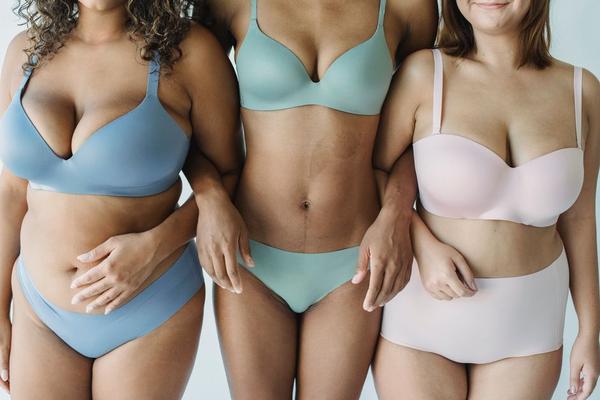
Learning how to dress for a curvy body type should make getting ready easier, not turn your wardrobe into a complicated rulebook. Curves come in countless proportions, and two people who wear the same size may feel best in completely different silhouettes. The most useful approach is not to “correct” your shape, but to understand how fabric, fit, proportion, and styling affect the way an outfit feels.
Instead of chasing a perfect formula, focus on clothes that sit comfortably, move well, and reflect your personality. A useful curvy style guide gives you options rather than restrictions. Once you know which details help you feel balanced and confident, dressing for your shape becomes far less stressful.
Start With Fit, Not the Size Label
The number on a clothing tag is only a starting point. Sizing varies between brands, cuts, and even different items from the same retailer. A well-fitting garment should follow your body without pulling, twisting, gaping, or creating pressure where you need movement.
When trying on tops, check the bust, shoulders, and upper arms first. For trousers and skirts, pay attention to the waist, hips, rise, and how the fabric falls when you sit. If an item fits your widest area but feels loose elsewhere, simple tailoring can create a better result than sizing down and tolerating discomfort.
Use Proportion to Build an Outfit
Proportion is one of the most practical curvy body outfit tips because it works across many styles and body shapes. The goal is not always to look smaller. It is to create a clear visual structure so the outfit feels intentional.
If you wear a voluminous blouse, try straight-leg jeans or a fitted skirt. If you choose wide-leg trousers, a tucked, cropped, or streamlined top can define the overall shape. This contrast between relaxed and structured pieces often prevents an outfit from feeling visually heavy.
Define the Waist When You Want To
Waist definition can add shape, but it does not have to mean wearing tight clothing or a belt every day. Wrap dresses, high-rise bottoms, shaped blazers, tie-waist shirts, and softly tucked tops can all suggest a waist while allowing comfort.
A full tuck creates stronger definition, while a partial front tuck feels more relaxed. Belts can be useful over dresses or jackets, but placement matters. Some people prefer the natural waist, while others feel better positioning a belt slightly higher or lower. Equally, you do not need to define your waist in every outfit. A fluid column dress or loose co-ord can look polished when the fabric drapes well.
Choose Fabrics That Work With Your Body
Fabric can completely change how a garment behaves. Very thin materials may cling or lose structure, while extremely stiff fabrics can feel restrictive. Many curvy wardrobes benefit from materials with enough weight to skim the body and enough stretch to support movement.
Look for ponte, quality jersey, denim with recovery, crepe, cotton blends, and knits that return to shape. Stretch is helpful, but too much can cause garments to sag during the day. A blend combining structure and flexibility is often more comfortable and polished. Always assess a garment while walking and sitting, not only while standing still.
Pay Attention to Necklines and Sleeves
Necklines change the visual frame around your face and upper body. V-necks and open collars create vertical space, while square and scoop necklines highlight the collarbone. High necks can also look elegant, especially when balanced with a fitted shoulder or longer necklace.
For sleeves, the best option is usually the one that allows comfortable movement and ends at a place you like highlighting. Full-length, elbow-length, flutter, puff, and sleeveless styles can all work. Check whether the sleeve pulls across the upper arm or adds volume exactly where you do not want it.
Create Length With Simple Styling Details
Vertical elements can make an outfit feel more streamlined without relying on head-to-toe black. An open blazer, long cardigan, centre seam, row of buttons, matching jacket and trousers, or uninterrupted column of colour can guide the eye up and down.
Monochrome dressing does not require one exact shade. Combining similar tones creates depth while keeping the line cohesive. Prints are not off-limits either; consider how the pattern sits across the garment and whether you enjoy wearing it.
Build a Wardrobe Around Outfit Formulas
A reliable wardrobe starts with repeatable combinations. You might rely on high-rise jeans, a fitted knit, and a longline blazer; a midi dress with ankle boots; or wide-leg trousers with a tucked shirt. These formulas reduce decision fatigue while leaving room for colour, accessories, and seasonal changes.
Before buying something new, imagine at least three outfits using pieces you already own. This encourages versatility and helps identify genuine gaps. Do not overlook undergarments, either. A comfortable, correctly fitted bra can change how tops and dresses sit, while seamless underwear or slip shorts may improve comfort under certain fabrics.
Ignore Rules That Limit Your Style
Traditional advice often tells curvy people to avoid stripes, bright colours, fitted clothes, oversized pieces, or anything that draws attention. Those restrictions are neither universal nor especially helpful. A better question is whether the outfit fits properly, reflects your taste, and lets you move through the day without constant adjustment.
Some days you may want a sharply defined silhouette; on others, you may prefer softness and volume. Both can be stylish. The best advice about dressing for your shape helps you make conscious choices, not disappear.
Frequently Asked Questions
What clothes look best on a curvy body type?
Clothes that fit well at the bust, waist, hips, and shoulders usually look best. Wrap styles, high-rise bottoms, structured jackets, straight or wide-leg trousers, and well-cut dresses are useful options, but the ideal pieces depend on your proportions and preferences.
Should curvy women wear loose or fitted clothing?
Both can work. Fitted pieces can highlight shape, while looser garments can create an effortless silhouette. Many outfits feel balanced when one area is relaxed and another is more defined, but comfort should guide the final choice.
How can I make an outfit look more balanced?
Consider proportion, fabric weight, hem lengths, and where the outfit creates definition. Pairing volume with structure, using a waist detail, or adding a long vertical layer can help the outfit feel more deliberate.
Can curvy body types wear bold prints and bright colours?
Absolutely. Choose prints and colours you enjoy, then consider placement and scale. A bold dress, colourful blazer, or printed skirt can become the focal point of a polished outfit without needing to be toned down.
Dress for Comfort, Confidence, and Real Life
Understanding how to dress for a curvy body type is less about memorising rules and more about noticing what works for your body, wardrobe, and routine. Start with fit, explore proportion, choose fabrics that move well, and keep the styling details that make you feel like yourself.
Your body does not need to change before you deserve good clothes. With a flexible approach and a willingness to experiment, getting dressed can become a creative decision rather than a problem to solve.