
A hat can look perfect on the shelf and still feel wrong after ten minutes. The brim may sit too low, the sweatband may leave a mark, or a fitted cap may shift when you turn your head. Knowing how to measure hat size takes only a minute, but makes shopping for baseball caps, fedoras, and other structured hats less of a guessing game.
The key is to measure where the hat actually rests, not simply around the widest-looking part of your hair. Then compare that number with the specific brand’s chart rather than assuming every hat labeled medium fits alike.
How to Measure Your Head for a Hat
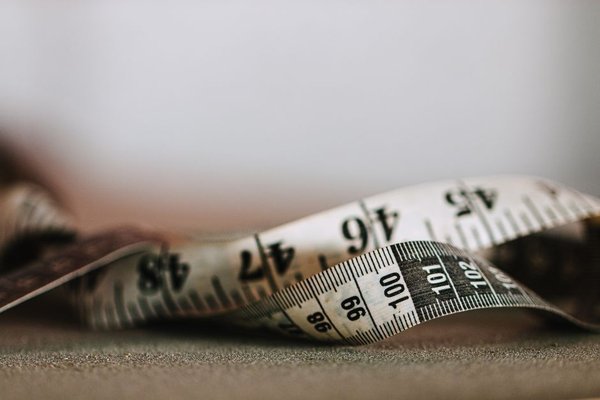
Start with a flexible measuring tape
Stand in front of a mirror with your hair arranged as you normally wear it under a hat. Place a soft tailor’s tape around your head, roughly half an inch above your eyebrows and ears. Bring it around the back, keeping it level and following the line where the hat’s inner band will sit.
Hold the tape comfortably snug without pressing it into your skin. Read the measurement where the ends meet, preferably in both inches and centimeters. Repeat the process two or three times. If your readings differ, check whether the tape slipped up at the back or crossed your forehead at an angle.
No measuring tape? Use string and a ruler
A non-stretch ribbon, strip of paper, or piece of string works too. Wrap it around the same line, mark where the ends meet, and lay it flat against a ruler. Avoid elastic cord, which can stretch and give you an artificially small result. A helper can make the measurement easier if you have thick hair or trouble seeing the back in a mirror.
US Hat Size Chart: Inches, Centimeters, and Fitted Sizes
US fitted hat sizes often appear as fractions, such as 7 1/4 or 7 3/8. These are traditional size labels, not head measurements in inches. The following common conversions match New Era’s fitted-cap guidance and offer a useful starting point for cap sizing:
Size 7: about 22 inches (55.8 cm).
Size 7 1/8: about 22 3/8 inches (56.8 cm).
Size 7 1/4: about 22 3/4 inches (57.7 cm).
Size 7 3/8: about 23 1/8 inches (58.7 cm).
Size 7 1/2: about 23 1/2 inches (59.6 cm).
Size 7 5/8: about 23 7/8 inches (60.6 cm).
Size 7 3/4: about 24 1/4 inches (61.5 cm).
Size 7 7/8: about 24 5/8 inches (62.5 cm).
Size 8: about 25 inches (63.5 cm).
This US hat size chart is a reference, not a universal promise of fit. Manufacturers can use different measurements for small, medium, large, and extra-large, and even two models from one brand may feel different. Always check the product’s own sizing guide before ordering. Some labels also display centimeter figures that differ from the recommended head circumference.
A Real-World Example: What If You Measure Between Sizes?
Suppose your head measures 23 inches. That falls between size 7 1/4, associated with 22 3/4 inches, and size 7 3/8, associated with 23 1/8 inches. On a firm, non-adjustable fitted cap, trying 7 3/8 first is sensible because a slightly roomy fit is often easier to manage than a cap that creates pressure. New Era also advises sizing up when you fall between its fitted sizes.
But that is not a rule for every hat. A felt fedora with a particular crown shape can sit differently from a baseball cap, even at the same stated circumference. If possible, compare two nearby sizes while wearing the hat in its normal position. The right one should stay secure without requiring you to pull it down tightly.
How Fit Changes Across Different Hat Styles
Fitted baseball caps
Fitted caps have no back adjustment, so accurate measurement matters most. Their structured panels and sweatbands may feel firm at first, but you should not rely on a painfully tight hat stretching into comfort. For more on the differences between crown shapes, explore a guide to baseball cap styles.
Adjustable caps and snapbacks
These offer some flexibility through a strap or snap closure. Still, an adjustable label does not mean one cap fits every head. Check the brand’s supported circumference range, then adjust until the cap feels secure without squeezing. If the closure is at its extreme setting, another model may fit better.
Fedoras, trilbies, and other structured brimmed hats
These hats depend on both circumference and head shape. An oval crown may press at your forehead even when its circumference matches your measurement. The brim should sit naturally, without forcing the front of the crown against your skin. A helpful next read is a guide to choosing a fedora for your face shape and preferred fit.
How to Tell Whether Your Hat Fits Properly
Put the hat on and wear it indoors for several minutes. It should rest steadily without a concentrated pressure point at the forehead, temples, or back of your head. Turn your head, look down, and gently shake it. A well-fitting hat should not slide over your eyes or wobble noticeably during ordinary movement.
A red mark that quickly disappears is not always proof of a bad fit, but persistent indentation, headaches, or a feeling of relief when you take the hat off are warning signs. Conversely, if the crown shifts when you walk, the size or shape may be wrong. Comfort matters more than matching a number printed on a tag.
Common Measurement Mistakes to Avoid
Do not pull the tape so tightly that it compresses your skin. Do not measure over a bulky hairstyle unless that is exactly how you plan to wear the hat. And do not let the tape climb upward behind your ears; that diagonal path can distort the result.
Frequently Asked Questions
What if my measurement falls exactly between two sizes?
For a firm fitted cap, the larger size is often the more comfortable starting point, but verify the brand’s advice. For hats available in person, try both and judge whether either creates pressure or slides.
Does hair affect hat size?
Yes. Voluminous curls, braids, and other hairstyles can change the space a hat needs. Measure with your hair prepared as you expect to wear it, and consider whether your hairstyle changes from day to day.
Can I use the same size for a cap and a fedora?
Your head circumference is a useful starting measurement for both. However, crown shape, stiffness, sweatband construction, and each manufacturer’s sizing system can change the feel, so confirm the fit separately.
Choose the Fit, Not Just the Number
Learning how to measure head circumference is the best first step toward a hat you will actually enjoy wearing. Measure at the sweatband line, check your result twice, compare it with the specific size chart, and pay attention to pressure and movement when trying the hat on. A minute spent measuring can save you from a cap that pinches or a brimmed hat that never seems to sit quite right.