
A jacket made from discarded plastic bottles sounds like a straightforward environmental win. But recycled polyester clothing is still plastic clothing, and that distinction matters.
To understand recycled polyester pros and cons, look beyond the recycled-content label. The important questions are what the fibre replaces, how the garment performs, what happens when it is washed, and whether it can be recycled again after use.
What Is Recycled Polyester Made From?
Recycled polyester, often called rPET fabric, is typically made by processing used polyethylene terephthalate (PET) into material that can be spun into fibres. In mechanical recycling, collected plastic is sorted, cleaned, shredded, melted and made into new fibres. Other technologies can break polyester down chemically before rebuilding it.
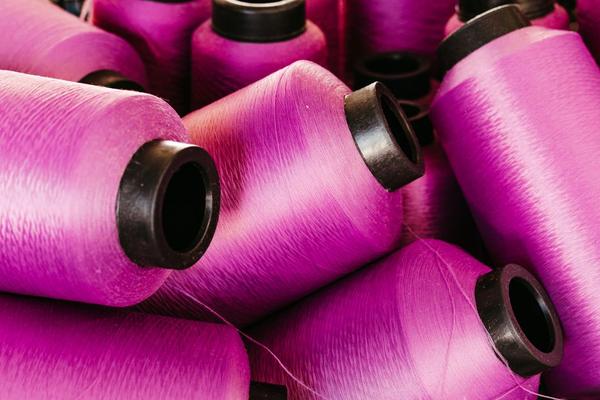
Once manufactured, recycled polyester can look and feel much like virgin polyester. It can be used in activewear, outerwear, fleece, bags and blends. The word recycled describes the source of the material, not a guarantee that the finished garment is environmentally harmless.
The Main Benefits of Recycled Polyester
It can put existing plastic to productive use
Turning suitable waste plastic into usable fibre can reduce demand for virgin PET and give collected material another application. This is most meaningful when recycled inputs genuinely displace new material rather than simply encouraging brands to produce more garments. Collection, sorting and processing still have environmental costs, so the benefit is not unlimited.
Production can have a lower footprint than virgin polyester
Producing recycled PET generally avoids some of the fossil-based raw material production involved in making new polyester. Depending on the recycling method, electricity source, transport and finishing processes, it can reduce energy use and greenhouse gas emissions at the material-production stage. Exact savings vary; a blanket claim that every recycled polyester garment is low-carbon would be misleading.
It keeps many useful performance qualities
Polyester is valued for strength, wrinkle resistance, quick drying and its ability to hold shape. Recycled versions can deliver similar properties, although fabric construction and garment quality often matter more than the recycled label. For a well-made rain shell or running top, recycled polyester may be a practical alternative to the virgin version without sacrificing the function you need.
The Environmental Drawbacks That Still Matter
It releases synthetic microfibres
Recycling the starting plastic does not remove the fibre’s plastic identity. Like other synthetic fabrics, recycled polyester can shed tiny fibres during manufacturing, wearing and laundering. Some escape wastewater treatment and contribute to microplastic pollution. The European Environment Agency identifies textile washing and wear as recognised pathways for these releases.
Yarn type, brushing, fabric construction, age and washing conditions make a difference. A fluffy fleece may behave differently from a tightly woven jacket. That is why discussions of microplastics clothing should consider garment design and care as well as fibre content.
Most recycled polyester does not come from old clothing
Here is an easily missed trade-off: using a bottle to make a shirt is not the same as recycling a shirt into another shirt. Textile Exchange’s 2026 Materials Market Report says 97% of recycled polyester produced in 2025 came from plastic bottles. Textile-to-textile recycling remains limited.
A clean PET bottle may be recyclable into another bottle within an established collection system, whereas converting it into a complex garment can make its next recycling step more difficult. The best destination for a recovered bottle depends on local systems and the quality of the material, rather than one universally superior route.
Recycling the finished garment is difficult
Polyester is technically recyclable, but most worn-out clothing is not readily turned into equivalent new clothing at scale. Elastane blends, dyes, coatings, trims and mixed fibres complicate sorting and processing. A jacket advertised as 100% recycled polyester is not necessarily accepted by a local textile recycler, and recycled content does not make it biodegradable.
It can still support overproduction
A fast-fashion brand can use recycled fibres and still release more clothing than customers can reasonably wear. Manufacturing, dyeing, delivery and disposal continue to create impacts. Recycled content is one improvement to a material supply chain, not a substitute for durable design, responsible production or buying less.
How to Decide Whether Recycled Polyester Is a Good Choice
Start with the job the garment needs to do. Suppose you need a breathable top for frequent workouts. A durable recycled-polyester option that dries quickly may make more sense than a fabric that performs poorly and gets replaced. If you are shopping for an everyday jumper instead, consider whether a second-hand item or a fabric you already enjoy wearing would serve you just as well.
Before buying, check the stated recycled percentage, the full fibre composition and the quality of stitching and fabric. Look for credible recycled-content verification, such as certification to the Global Recycled Standard or Recycled Claim Standard, while remembering that certification of recycled content does not prove every environmental claim about a product.
Be especially wary of vague phrases such as “ocean-friendly” or “zero-impact.” Ask whether the brand explains its source materials and designs garments for long use. Our guides to sustainable clothing materials, microplastics from clothing and how to make clothes last longer offer useful next steps for comparing your options.
Care Habits That Help Reduce the Impact
Keep recycled polyester garments in use for as long as they remain functional. Repair seams or zips where practical, wash only when needed, choose cooler and gentler cycles when the care label allows, and avoid unnecessary tumble drying. These choices can reduce fabric wear as well as energy use.
A well-maintained washing-machine microfibre filter may capture some shed fibres, but it will not eliminate releases during wearing or disposal. Empty and dispose of captured lint according to the device instructions instead of rinsing it down the drain. Passing on a wearable garment is generally more useful than discarding it just because the fashion changes.
Frequently Asked Questions
Is recycled polyester better than regular polyester?
It can be, particularly when it replaces virgin polyester and uses a well-managed recycling process. However, both are synthetic plastic fibres and can contribute to microfibre pollution. The garment’s durability, production methods and actual use also affect the overall comparison.
Is recycled polyester safe to wear?
Recycled polyester is widely used in everyday clothing. Its recycled origin alone does not establish whether a particular garment contains concerning finishes or dyes. Look for product-specific chemical safety information and recognised textile testing where relevant, especially for sensitive skin.
Does recycled polyester shed fewer microplastics?
Not necessarily. Recycled content alone is not reliable evidence of lower shedding. Fabric construction, surface finish and washing conditions can matter more, so avoid claims that recycled polyester is microplastic-free.
Can recycled polyester clothing be recycled again?
Sometimes, through specialist collection and processing systems, but access remains limited. Blended fibres and garment components often create obstacles.
The Bottom Line
Recycled polyester is a meaningful improvement when it displaces virgin plastic and helps produce clothing that stays useful for years. It is not a complete solution to fossil-feedstock dependence, synthetic-fibre shedding or fashion waste. The most sensible choice is a garment you genuinely need, can care for and will wear repeatedly—with recycled content treated as one advantage, not the whole sustainability story.