
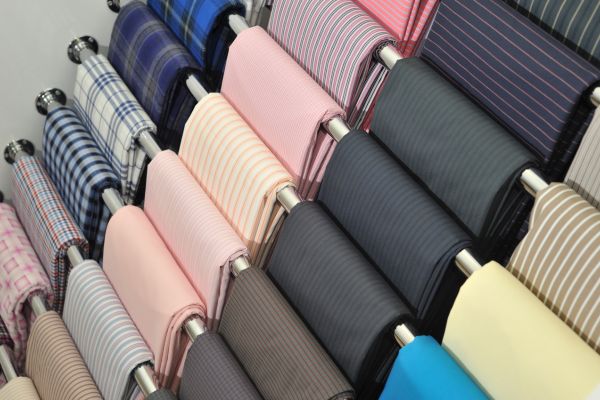
Fabric has always carried more than color and texture. It protects the body, reflects identity, signals culture, and shapes how clothing moves through daily life. Now, textiles are beginning to do something else: respond.
Tech-infused fabrics are changing the idea of what clothing can be. Instead of acting as passive material, these textiles may regulate temperature, monitor movement, conduct electricity, resist stains, react to light, or communicate with digital devices. Some innovations are already appearing in sportswear and medical garments, while others remain experimental, visible mainly in laboratories, fashion exhibitions, and conceptual collections.
The development of these fabrics does not mean every future outfit will resemble a machine. In many cases, the technology is designed to disappear into the material. The goal is often not to make clothing look futuristic, but to make it behave more intelligently.
What Makes a Fabric Tech-Infused?
Tech-infused fabrics are textiles that include advanced materials, electronic components, responsive coatings, sensors, or other forms of functional technology. They are sometimes described as smart textiles, electronic textiles, or interactive fabrics, although these terms can refer to slightly different levels of complexity.
Some fabrics are considered technologically advanced because of the way their fibers are engineered. They may repel water, block ultraviolet rays, control odor, or provide unusual strength without containing electronics.
Other textiles include conductive threads, tiny sensors, flexible circuits, or embedded heating elements. These materials may collect information or react to changes in the wearer’s body and surrounding environment.
The difference between ordinary performance fabric and a truly interactive textile is not always clear. A moisture-wicking shirt performs a useful function, but a shirt that measures breathing patterns and sends data to an application operates on another level. Both belong to the broader movement toward more functional clothing.
Temperature-Regulating Textiles Change Everyday Comfort
One of the most practical uses of textile technology is temperature control. Traditional clothing manages heat through layering, insulation, and breathability. Smart fabrics aim to make this process more responsive.
Some temperature-regulating materials contain substances that absorb, store, and release heat as conditions change. When the wearer becomes warm, the material can take in excess heat. As the temperature falls, that stored warmth may be released.
Other garments include flexible heating systems powered by compact batteries. These are often found in jackets, gloves, socks, and outdoor clothing designed for cold environments. The wearer may be able to adjust the heat setting rather than relying only on the thickness of the garment.
Cooling fabrics are also being explored. Certain textiles spread moisture rapidly across a larger surface, allowing it to evaporate more efficiently. Others use specially designed fibers or coatings to reduce heat buildup.
The appeal is easy to understand. Clothing that responds to temperature could reduce the need for bulky layers and make changing weather more manageable. However, comfort depends on more than laboratory performance. The fabric still needs to feel soft, flexible, and natural against the skin.
Conductive Fibers Bring Electronics Into Clothing
Traditional electronic devices depend on rigid wires and circuit boards. Clothing, by contrast, bends, stretches, folds, and moves constantly. Conductive fibers help connect these two very different worlds.
These fibers can carry electrical signals while remaining part of the textile structure. They may be woven, knitted, embroidered, or printed into fabric. In some cases, metallic materials such as silver or copper are combined with ordinary fibers. Conductive polymers and carbon-based materials are also being studied.
Once electricity can move through the garment, the fabric may support sensors, lights, touch-sensitive controls, or communication systems. A sleeve, for example, could contain a control area that allows the wearer to adjust audio without reaching for a phone.
The challenge is making the technology durable. Conductive pathways must survive repeated bending, sweating, stretching, and washing. A feature that works beautifully during a demonstration is less useful if it fails after several laundry cycles.
Clothing Can Monitor the Body
Wearable health and fitness devices are usually attached to the wrist, chest, or skin. Tech-infused fabrics may allow monitoring systems to become part of the clothing itself.
Sensors placed within a shirt can potentially track heart rate, breathing, posture, body temperature, or muscle movement. Because fabric covers a larger area of the body than a watch, it may collect information from several points at once.
Athletes can use sensor-equipped garments to study performance, technique, and recovery. A runner’s clothing might examine movement patterns, while a training top could monitor breathing effort during exercise.
Medical applications may be even more significant. Smart garments could help observe patients outside clinical settings without requiring uncomfortable equipment. Clothing might track changes in movement, circulation, pressure, or other physical indicators over time.
Still, collecting data is only one part of the issue. Accuracy, privacy, and interpretation matter just as much. A garment that produces unreliable readings may create confusion rather than useful insight. There are also questions about who owns the information and how securely it is stored.
Shape-Changing Fabrics Introduce New Possibilities
Some advanced textiles can change shape in response to heat, moisture, electricity, or movement. This may sound like science fiction, but the basic idea is already being explored through shape-memory materials and responsive structures.
A fabric could become more breathable when the wearer grows warm, opening tiny vents within the textile. It might tighten to provide support during movement or return to its original form after being stretched.
Fashion designers have also experimented with garments that expand, contract, fold, or shift their silhouette. These pieces often appear in conceptual fashion, where the goal is to explore how clothing could become animated or adaptive.
Everyday uses may eventually be more subtle. A jacket could adjust its insulation according to the weather. Shoes might change their level of support during different activities. A garment could adapt more comfortably to small changes in body shape.
For these ideas to become widely useful, responsive materials must remain lightweight, washable, safe, and affordable. A dramatic transformation on the runway is exciting, but ordinary clothing must survive ordinary life.
Light and Color Become Part of the Textile
Color has traditionally been fixed through dyes, prints, and woven patterns. Tech-infused fabrics can make color more active.
Some materials change appearance according to heat, sunlight, pressure, or electricity. Thermochromic fabrics respond to temperature, while photochromic materials react to light. Electrochromic textiles may alter color when an electrical signal is applied.
These fabrics can create garments that shift visually as the environment changes. A jacket may appear different outdoors than indoors. A dress could reveal patterns as the wearer moves into warmer surroundings.
Light-emitting textiles go further by incorporating flexible LEDs, illuminated fibers, or glowing elements. They have been used in performance costumes, safety clothing, experimental fashion, and artistic installations.
There are practical possibilities too. Cyclists and runners could wear garments with built-in visibility features. Emergency workers might use clothing that communicates location or warnings through light.
The most successful designs will likely be those in which the technology adds meaning rather than becoming a novelty. A glowing garment may attract attention, but thoughtful integration determines whether it remains useful after the initial surprise.
Protective Fabrics Become More Advanced
Many textile innovations focus on protection. Modern fabrics can be designed to resist water, fire, chemicals, ultraviolet radiation, bacteria, stains, and physical impact.
Protective clothing has long been used in industrial, medical, military, and emergency settings. New material science is making some of these textiles lighter and more flexible, reducing the heavy or restrictive feel traditionally associated with protective equipment.
Antimicrobial fabrics are designed to limit the growth of microorganisms that cause odor or contamination. They are often discussed in relation to sportswear, healthcare uniforms, socks, and garments worn in demanding environments.
Some fabrics use surface structures inspired by nature to repel liquids and dirt. Instead of absorbing a spill, the material encourages droplets to roll away. This can make clothing easier to maintain, although the environmental effects of certain coatings must be considered carefully.
Impact-resistant textiles are another area of interest. Materials that remain flexible during normal movement but become firm under sudden force may support protective gear for sports, transport, or physical work.
Sustainability Creates Both Promise and Tension
Tech-infused fabrics are often presented as part of a more efficient fashion future. Clothing that adjusts to different conditions might replace several separate garments. Stain-resistant materials could require less frequent washing. Sensors might help track wear, repair needs, or product life.
Yet technology can also make textiles more difficult to recycle. A garment containing fabric, metal, electronics, adhesives, batteries, and coatings cannot easily enter a standard textile recycling system. Separating those materials may be expensive or technically challenging.
There is also the question of durability. If a digital feature stops working, does the whole garment become waste? Can the electronic part be repaired or replaced? Fashion already struggles with short product lifespans, and adding technology could either improve or worsen that problem.
More responsible development will require designers to think about the entire life of the product. Components may need to be removable, repairable, recyclable, or biodegradable. Innovation should not be measured only by what a fabric can do when it is new, but by what happens when it is no longer wanted.
The Practical Challenges Behind Smart Clothing
Despite the excitement surrounding smart textiles, several obstacles remain. Washing is one of the most obvious. Clothing must tolerate water, detergent, heat, twisting, and repeated use. Electronic components are not naturally suited to those conditions.
Power is another challenge. Some garments rely on rechargeable batteries, which add weight and require regular charging. Researchers are exploring flexible batteries, energy-harvesting materials, and systems powered by movement, body heat, or sunlight.
Fit also affects performance. A sensor may need close contact with the body to work accurately, but clothing must remain comfortable across different sizes and body shapes.
Cost remains important as well. Advanced materials and specialized manufacturing can make tech-infused garments expensive. Until production becomes easier and more standardized, many products may remain limited to professional, medical, luxury, or specialist uses.
Fashion’s Relationship With Technology Is Becoming Quieter
Early wearable technology often appeared obviously electronic. It featured visible lights, bulky controls, cables, or stiff components. The next stage may look far less dramatic.
As fibers, sensors, and circuits become smaller, the technology can blend into familiar garments. A smart shirt may simply look like a shirt. The fabric may feel almost ordinary, even while it performs complex tasks.
This quieter form of innovation may be what brings tech-infused fabrics into everyday wardrobes. Most people do not necessarily want clothing that announces its technology. They want garments that are comfortable, dependable, attractive, and easy to care for.
The most meaningful advances may therefore be nearly invisible: better temperature control, improved movement support, safer materials, longer wear, and health monitoring that does not interrupt daily life.
A New Chapter for the Materials We Wear
Tech-infused fabrics are expanding the role of clothing. Textiles are no longer limited to covering, decorating, or insulating the body. They can sense, respond, protect, communicate, and adapt.
The field is still developing, and many ideas face practical limits involving cost, washing, power, privacy, comfort, and waste. Not every experiment will become part of ordinary fashion. Some will remain artistic statements, while others may quietly influence sportswear, healthcare, workwear, and daily clothing.
What makes this evolution fascinating is not simply the presence of technology. It is the possibility of making garments more aware of the people wearing them and the environments around them. The future of fashion may not arrive through louder designs or faster trends. It may emerge through fabrics that understand their purpose a little better.