
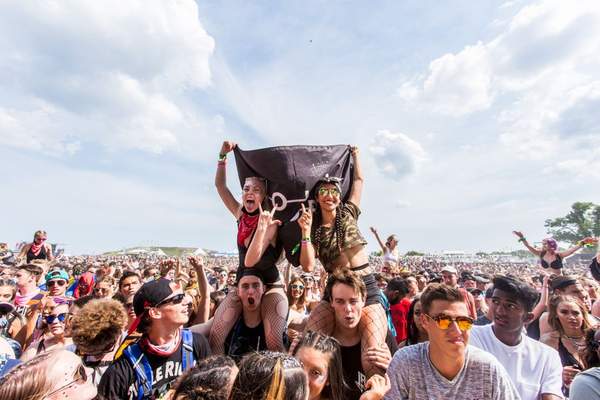
A music festival outfit has to do more than look good for one photo. It needs to handle hours of walking, standing, dancing, changing temperatures, crowded spaces, and whatever the weather decides to do. The best approach is comfort first, style second: build a practical base, then add the pieces that make the outfit feel like you.
Start With the Festival, Not the Outfit
Before choosing clothes, check three things: the weather forecast, the venue surface, and the event rules. A desert festival, a city park, and a muddy field call for very different choices. Bag rules can also vary, so confirm the current allowed size and type before planning around a backpack or crossbody.
Think about the full day rather than the first two hours. If you arrive in strong afternoon sun but leave after midnight, your festival outfit planning should include both heat and a cooler evening. A light layer tied around your waist or packed into an allowed bag can save you from buying an emergency sweatshirt later.
Choose a Comfortable Base Layer
Your main outfit should be made from clothes you can move in easily. Breathable T-shirts, tanks, relaxed shirts, shorts, lightweight trousers, skirts with comfortable undershorts, and easy-fitting dresses all work well. The exact style matters less than whether the fabric rubs, traps heat, or restricts movement.
A useful test is simple: wear the outfit at home for an hour, sit down, walk stairs, raise your arms, and move as if you were dancing. If a waistband digs in, a strap keeps falling, or a seam already feels irritating, it will probably feel much worse after several hours at a festival.
Plan for Sweat and Rewearing
For multi-day events, choose pieces that can mix and match rather than packing a completely separate look for every day. Neutral shorts or trousers can work with several tops, while one statement shirt, scarf, or overshirt can change the look without taking much space. This makes comfortable festival wear easier to manage and keeps your festival packing list lighter.
Wear Shoes You Already Trust
New shoes are one of the easiest ways to ruin a festival day. Even a pair that feels comfortable in a shop can create blisters after several miles of walking and hours of standing. Wear broken-in trainers, supportive boots, or another closed, secure shoe you know you can keep on for a long day.
Consider the ground as well. Thin soles are uncomfortable on gravel, open sandals offer little protection in dense crowds, and delicate shoes can struggle with dust, grass, or mud. If rain is possible, water-resistant footwear may be more useful than a trend-led pair you are worried about damaging. For a deeper guide, best shoes for outdoor concerts is a useful topic to explore before packing.
Add Style With Low-Effort Pieces
Once the practical base is sorted, add personality through items that will not become annoying by sunset. Sunglasses, a hat, a printed overshirt, a lightweight scarf, colourful socks, or simple jewellery can make an outfit feel intentional without adding much weight.
Be cautious with anything oversized, sharp, fragile, or easy to lose. Very long fringes, heavy chains, elaborate headpieces, and accessories that snag on bags or other people may look great in a mirror but become awkward in a crowd. The strongest festival looks usually have one or two memorable details rather than ten competing ones.
Prepare for Sun, Rain, Wind, and Cold
Outdoor festivals can expose you to several conditions in one day. A breathable hat and lightweight long-sleeve layer can help in strong sun, while a compact rain layer is useful if the forecast is uncertain. At events with hot days and cool nights, an overshirt, thin hoodie, or packable jacket gives you flexibility without forcing you to carry a bulky coat.
If you are building a full festival packing list, check festival packing essentials alongside your clothing plan. Many events publish their own allowed and prohibited item lists, and those rules can change, so verify them shortly before you travel rather than relying on an old social media post.
Use a Small Bag That Stays Out of the Way
A small crossbody, belt bag, or permitted day bag is usually easier to manage than something that swings around while you dance. Keep the contents focused: phone, payment method, identification if needed, sunscreen, earplugs, and other event-approved essentials. If the festival allows refillable bottles or hydration packs, check the exact rules before bringing one.
Try the bag with your full outfit before the event. Make sure the strap does not rub your neck, pull down a delicate top, or clash with a jacket you plan to wear later.
A Simple Outfit Formula That Works
Imagine an outdoor festival with a warm afternoon, cooler night, and plenty of walking. A practical combination could be a breathable T-shirt, relaxed shorts, broken-in trainers, a cap, and a lightweight overshirt carried in a small crossbody. The T-shirt handles the heat, the trainers support a long day, and the overshirt adds warmth after sunset. You can still make the look personal through colour, print, jewellery, or makeup without sacrificing comfort.
For more seasonal inspiration, festival outfit ideas for hot weather can be a useful internal guide when temperatures are the biggest concern.
FAQ
What should I avoid wearing to a music festival?
Avoid untested shoes, restrictive clothing, very heavy layers, fragile accessories, and anything you would be upset to get dusty, muddy, sweaty, or wet. Also avoid building your outfit around a bag or item before checking the festival’s current entry rules.
Are jeans good for a music festival?
They can be, especially in mild or cooler weather, but heavy denim may feel uncomfortable in heat. If you like jeans, choose a pair with enough room to sit, walk, and dance comfortably for hours.
Should I wear sandals or trainers?
For most long festival days, broken-in trainers or supportive closed shoes are the safer practical choice. Sandals can work at some events, but consider crowding, long walking distances, uneven ground, and the chance of someone stepping on your feet.
How many layers should I bring?
Usually one lightweight extra layer is enough if the day is warm but the evening may cool down. Colder, wetter, or windier events may require more. Use the forecast and venue guidance rather than packing layers by habit.
Conclusion
The best answer to what to wear to a music festival is an outfit you can forget about once the music starts. Choose breathable clothes, trusted shoes, a practical layer, and a manageable bag, then add a few details that reflect your style. When every piece earns its place through comfort, weather readiness, or personality, you get an outfit that looks good without making the day harder than it needs to be.