
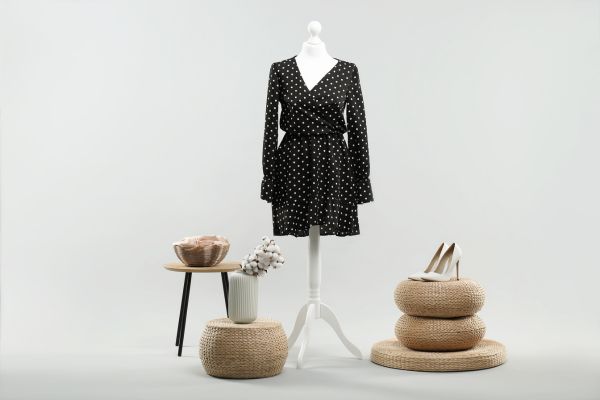
Minimalism in fashion has always carried a quiet kind of confidence. It does not shout for attention with heavy decoration, complicated layering, or excessive detail. Instead, it relies on proportion, fabric, cut, and restraint. At first glance, minimalist clothing can look simple. But the more closely you look, the more you notice how much thought is hidden inside that simplicity.
The story of minimalism in fashion history is not just about plain clothes or neutral colors. It is about changing ideas of elegance, freedom, modernity, and identity. At different moments, minimalism has been practical, rebellious, intellectual, luxurious, and even emotional. It has appeared whenever fashion needed to breathe again after periods of excess.
The Early Roots of Simplicity in Dress
Minimalism did not arrive suddenly in the twentieth century, even though that is where many people place its most recognizable moments. The idea of simplicity in clothing has older roots. In different cultures and time periods, restraint in dress was often connected to morality, class, work, or philosophy. Plain garments could suggest humility, discipline, or seriousness.
In Western fashion, however, clothing for the wealthy was often associated with decoration for centuries. Embroidery, lace, corsetry, heavy fabrics, elaborate trims, and structured silhouettes signaled status. More detail usually meant more expense, and more expense often meant more social power. Against that background, simplicity could feel almost radical.
The shift toward cleaner dressing began slowly. As modern life changed, clothing had to change too. Movement, travel, work, and public life all demanded garments that were easier to wear. Fashion started to move away from pure ornament and closer to function.
Modernity and the Appeal of Clean Lines
The early twentieth century was one of the most important periods for the rise of minimalist thinking in fashion. The world was becoming faster, more urban, and more modern. Women’s lives were changing, and clothing could no longer remain trapped in the same rigid shapes of the past.
Designers began simplifying silhouettes. Corsets loosened. Skirts moved more freely. Tailoring became sharper. The body was still dressed with elegance, but that elegance began to depend less on decoration and more on line.
This was a major turning point. A dress did not need layers of trim to feel refined. A jacket could be beautiful because of its cut. A black dress could be more powerful than a heavily embellished gown. This new attitude helped create the foundation for what we now recognize as minimalism.
The Little Black Dress and the Power of Restraint
Few garments show the power of minimalism better than the little black dress. When black moved beyond mourning wear and became a symbol of chic simplicity, it changed how people understood elegance. The little black dress was practical, versatile, and modern. It did not rely on color or decoration to make an impression.
Its strength came from restraint. A simple black dress could be worn in different settings and styled in different ways. It allowed the wearer, rather than the garment, to become the focus. That idea still feels modern today.
The little black dress also introduced a democratic quality to fashion. It suggested that style did not always have to be loud, expensive-looking, or complicated. A clean silhouette, a good fit, and thoughtful styling could create lasting elegance.
Minimalism After Excess
Fashion often moves in cycles. Periods of extravagance are frequently followed by a desire for calm. This pattern has helped minimalism return again and again throughout fashion history.
After heavily decorated styles, people often become drawn to clothes that feel cleaner and more direct. After dramatic shapes, they look for ease. After visual noise, they want silence. Minimalism works almost like a reset button. It clears the eye.
This is one reason minimalist fashion never feels completely out of place. Even when maximalism becomes popular, there is always someone attracted to a sharper, quieter wardrobe. Minimalism offers control in a world that can feel visually crowded.
The 1960s and the Space-Age Silhouette
The 1960s brought a new kind of minimalism that felt futuristic rather than classic. Fashion reflected youth culture, technology, architecture, and the excitement of the space age. Shapes became cleaner, shorter, and more graphic. Dresses often had simple A-line forms, smooth surfaces, and bold geometric impact.
This was minimalism with energy. It was not soft or romantic. It was modern, direct, and sometimes almost architectural. The body was not hidden, but it was not overly decorated either. The silhouette did much of the talking.
The decade proved that minimalism did not have to mean seriousness. It could feel playful, young, and forward-looking. A plain shift dress, when cut in the right shape, could say more about the future than an ornate evening gown.
Japanese Influence and the Beauty of Space
A major chapter in minimalism in fashion history came through the influence of Japanese design. Japanese aesthetics often value space, asymmetry, imperfection, and the quiet relationship between body and fabric. These ideas challenged Western expectations of fit, glamour, and decoration.
Designers inspired by these principles explored clothing that was loose, sculptural, and thoughtful. Instead of emphasizing the body in a traditional way, garments created shape around it. Empty space became part of the design. Fabric was allowed to fold, fall, and move.
This approach expanded the meaning of minimalism. It was no longer only about clean Western tailoring or simple dresses. It could also be about shadow, volume, silence, and the beauty of what is left unsaid.
The 1990s and the Minimalist Moment
When people think of modern minimalist fashion, the 1990s often come to mind. After the bold colors, power shoulders, shine, and excess of the 1980s, the fashion mood shifted dramatically. Clothes became cleaner, softer, and more pared back.
Slip dresses, straight trousers, fine knits, simple tanks, long skirts, white shirts, black coats, and neutral palettes defined the look. The styling felt almost undone, but not careless. It was controlled, intimate, and quietly sensual.
This period made minimalism feel cool rather than severe. It was less about perfection and more about ease. A bias-cut dress, a clean white shirt, or a perfectly plain coat could carry a whole mood. The beauty was in the absence of effort, or at least the appearance of it.
The 1990s also gave minimalist fashion a strong connection to lifestyle. Interiors, photography, beauty, and music all reflected the same stripped-back attitude. Minimalism became more than a wardrobe choice. It became a visual language.
Luxury Without Obvious Decoration
One of the most interesting things about minimalist fashion is how it redefines luxury. Traditional luxury often announces itself through decoration, logos, shine, or rare materials. Minimalist luxury is different. It asks the viewer to notice quality without being told to notice it.
A perfectly cut coat, a cashmere sweater, a silk shirt, or tailored trousers can look almost plain from a distance. Up close, the details matter. The seam placement, fabric weight, drape, and finish all reveal the design. This kind of fashion rewards attention.
Minimalism can therefore be both modest and sophisticated. It does not always seek attention, but it often holds it longer once noticed. That tension is part of its appeal.
Why Minimalism Keeps Returning
Minimalism keeps returning because it offers clarity. In fashion, clarity can feel refreshing. It gives people a way to dress that feels calm, practical, and expressive without being loud.
It also adapts well to changing times. In one era, minimalism can look like a black dress. In another, it can be a tailored suit, a slip dress, an oversized coat, or a monochrome wardrobe. The details change, but the principle remains the same: remove what is unnecessary and let the essential speak.
Today, minimalist fashion is often connected to thoughtful consumption, capsule wardrobes, and personal style that lasts beyond trends. That does not mean everyone who dresses minimally is making a philosophical statement. Sometimes people simply like the feeling of clean lines and fewer distractions. And that is enough.
Conclusion
Minimalism in fashion history is a story of restraint, but not emptiness. It has shaped some of the most memorable moments in modern dress because it understands the power of less. From early moves toward practical elegance to the little black dress, from space-age silhouettes to the quiet cool of the 1990s, minimalism has continually offered fashion a chance to pause and refine itself.
Its lasting appeal comes from the fact that simplicity is never as simple as it seems. A minimalist garment asks for precision, confidence, and intention. It leaves room for the person wearing it. And perhaps that is why minimalism continues to matter. In a world full of visual noise, there is still something deeply compelling about a clean line, a perfect cut, and the quiet beauty of knowing when to stop.