
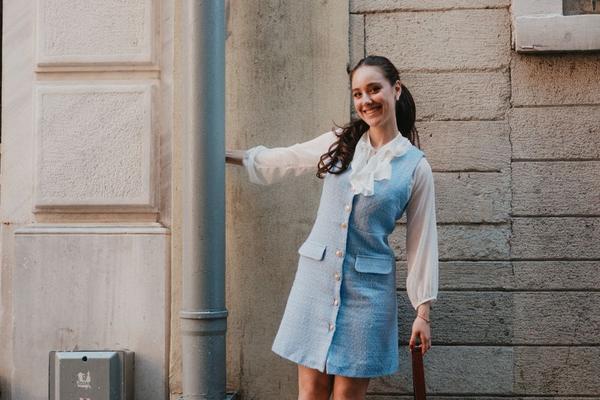
A dress can be one of the hardest-working pieces in your wardrobe, but only when you stop treating it as a complete outfit. On its own, it may feel tied to a particular occasion or season. Add different layers, shoes, accessories, and styling details, however, and the same dress can take on an entirely new personality.
Learning how to style one dress multiple ways is not just a clever fashion exercise. It can help you buy fewer clothes, make quicker outfit decisions, and get more value from pieces you already love. The secret is to begin with a relatively simple dress that gives you room to experiment.
A solid-colour midi dress is especially versatile, although these ideas can also work with a mini, maxi, shirt dress, or understated printed style. Start with a dress that fits comfortably, suits your lifestyle, and can be worn with several types of footwear. From there, use the five outfit formulas below to take it from relaxed daytime dressing to a polished evening look.
Start With the Right Dress
Some dresses are naturally easier to restyle than others. A heavily embellished evening gown, for example, will always look formal, while a plain black, navy, neutral, or softly coloured dress can adapt to many settings.
Look for a design with a clean silhouette and minimal decorative details. A sleeveless or short-sleeved dress is useful because it can be layered underneath jackets, cardigans, shirts, and jumpers. A midi length is also practical: it works with trainers, boots, flats, sandals, and heels without feeling noticeably out of place.
The fabric matters too. Cotton and jersey lean casual, while satin and crepe tend to feel more polished. A fabric with a little structure but not too much shine offers the widest range of versatile dress outfits. Once you have the right base, the transformation comes from everything you wear around it.
Look One: Relaxed Weekend Casual
For an easy daytime outfit, pair the dress with clean trainers and a denim jacket. This combination immediately makes a dress feel more relaxed, even if the original design is slightly polished. Push up the jacket sleeves, add a crossbody bag, and keep your jewellery simple.
A canvas tote and baseball cap can make the outfit feel even more casual, while sunglasses add a finished touch without making it look overdressed. On cooler days, swap the denim jacket for a lightweight utility jacket or casual bomber.
The proportions are important. If the dress is loose, a cropped or waist-length jacket can create definition. If it is fitted, an oversized denim jacket provides a more modern contrast. This is one of the easiest dress styling tips to use because most people already own the supporting pieces.
Look Two: Polished for Work
The same dress can become office-ready with a tailored blazer, structured bag, and refined footwear. Loafers, low block heels, or pointed flats all work well, depending on your workplace and how formal you need the outfit to feel.
Choose a blazer that complements rather than exactly matches the dress. A black dress can be paired with camel, grey, cream, or a subtle checked blazer. A neutral dress can handle a darker jacket or a muted colour. The contrast helps the outfit look intentionally styled rather than like a matching uniform.
Add a slim belt when you want more shape, particularly if the blazer is oversized. Simple earrings, a watch, and a structured handbag complete the look. Avoid piling on too many details. Professional styling usually looks strongest when the lines are clean and the accessories are purposeful.
Look Three: Layered Like a Skirt
One of the most useful lessons in how to restyle a dress is learning to hide part of it. Pull a jumper or sweatshirt over the top, and the dress instantly looks like a skirt.
A cropped knit works naturally because it stops near the waist. With a longer jumper, use a slim belt over the dress and gently tuck the jumper underneath it to create a shorter shape. You can also knot a lightweight jumper at the waist if the fabric is not too bulky.
Finish the outfit with ankle boots, trainers, or loafers. A chunky knit creates a cosy autumn or winter look, while a lightweight sweater works well during spring. This styling method is particularly effective with slip dresses, fitted midis, and dresses with interesting skirts.
Changing the visible silhouette is what makes the outfit feel genuinely different. Instead of seeing the same dress with another jacket, people see a skirt-and-jumper combination.
Look Four: Creative and Layered for Daytime
For a more fashion-forward outfit, wear a shirt, blouse, or fitted top underneath the dress. This technique works best with sleeveless dresses, slip styles, and designs with a relatively open neckline.
A crisp white shirt creates a smart, modern effect, while a striped long-sleeved top feels more casual. A fine roll-neck underneath can carry the dress into colder weather. Keep the underlayer smooth and close-fitting so that it does not bunch underneath the dress.
You can also wear an open button-down shirt over the dress and knot it at the waist. This adds colour, texture, and shape while still allowing part of the original dress to remain visible. Complete the outfit with flat boots, trainers, or chunky sandals, depending on the season.
These layered combinations are ideal when you want practical dress styling tips that extend the life of your wardrobe throughout the year. A dress you once considered suitable only for summer can suddenly become part of your autumn and winter rotation.
Look Five: Dressed Up for the Evening
For an evening transformation, remove the casual layers and focus on polished accessories. Heeled sandals or pointed pumps immediately change the mood, while a clutch or compact shoulder bag makes the outfit feel occasion-ready.
Jewellery can become more noticeable here. Try statement earrings, a bold cuff, or a layered necklace, depending on the neckline. A sleek belt can add definition, while a tailored coat or elegant wrap provides warmth without making the outfit feel too practical.
Small grooming changes also contribute to the transformation. A neat updo, stronger lip colour, or more defined eye makeup can make the same dress look completely different from its daytime version. The goal is not to overload the outfit but to replace casual elements with refined ones.
For a modern evening look, choose one main focal point. That might be metallic shoes, sculptural earrings, or a brightly coloured bag. Keeping the remaining details understated allows that feature to stand out.
How to Make Each Outfit Feel Truly Different
Simply switching handbags is not always enough. To create convincing versatile dress outfits, change at least three elements each time. Consider the outer layer, footwear, bag, jewellery, hairstyle, and waist definition.
It also helps to vary the overall silhouette. One outfit might use a cropped jacket and trainers, while another uses a long blazer and pointed shoes. A third can hide the top of the dress under a jumper. These shifts change how the eye reads the outfit, making the dress feel less repetitive.
Take photographs of combinations you like and save them in a wardrobe folder on your phone. This gives you a personal library of outfit ideas for busy mornings, trips, or last-minute plans. It can also reveal which accessories you use frequently and which ones are not contributing much to your wardrobe.
Frequently Asked Questions
What type of dress is easiest to style multiple ways?
A simple midi dress in a solid or subtle colour is usually the easiest option. Look for minimal embellishment, a comfortable fit, and a neckline that works both alone and with layers.
How can I make the same dress look less repetitive?
Change several parts of the outfit rather than only one accessory. Different shoes, layers, bags, jewellery, and hairstyles will create a more noticeable transformation.
Can a summer dress be worn in winter?
Yes. Add a fitted roll-neck or long-sleeved top underneath, then layer with tights, boots, knitwear, and a warm coat. The fabric should be substantial enough to sit comfortably over winter layers.
How do I restyle a printed dress?
Pull accessory colours from the print and keep the layers relatively simple. Neutral jackets and shoes can calm a bold pattern, while one matching colour can make the outfit feel coordinated.
Get More From the Dress You Already Own
Knowing how to style one dress multiple ways changes the way you view your wardrobe. Instead of searching for a new outfit every time your plans change, you begin looking for new combinations within the clothes you already have.
A casual jacket and trainers can take your dress through the weekend. A blazer makes it suitable for work. A jumper turns it into a skirt, creative layering adds seasonal flexibility, and polished accessories prepare it for the evening.
The most successful outfits do not depend on owning endless clothes. They come from understanding proportion, layering, and the effect of small styling choices. Experiment with the pieces you already own, photograph your favourite combinations, and let one dependable dress become five genuinely different outfits.