
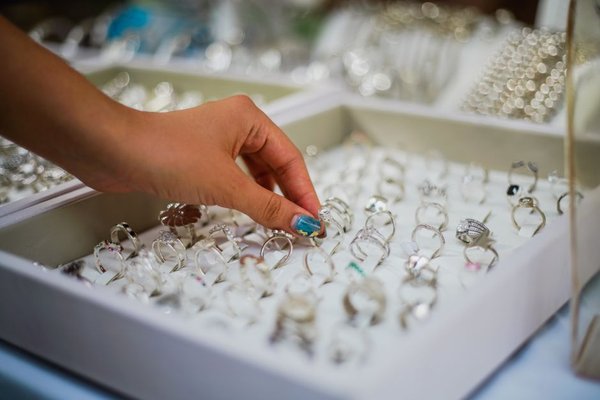
That delicate chain you wear every week and the silver ring saved for special occasions have something in common: careless storage can undo careful cleaning. Learning how to store jewelry is about controlling three everyday risks—pieces rubbing together, necklaces tangling, and metals sitting in damp or polluted air. The right routine protects an entire collection without requiring an expensive jewelry box.
Choose a Safe Place Before Choosing an Organizer
Start with a bedroom drawer, dresser cabinet, or another stable indoor spot away from steam, direct sunlight, and temperature swings. Bathrooms are convenient but often humid. Keep jewelry away from exposed countertops where perfume, hairspray, cleaning sprays, and splashes can reach it.
A practical jewelry organizer has separate compartments, smooth surfaces, and soft, clean lining. A divided drawer tray often works better than one deep decorative box because every piece stays visible. Check older boxes for rough seams, deteriorating foam, or loose fibers that might catch settings.
Before putting anything away, make sure it is dry. After wearing suitable metal pieces, gently remove skin oils with a clean, soft cloth. Never seal damp jewelry in a pouch. More delicate materials may require their own care instructions.
How to Store Necklaces Without Tangles
The secret to necklace storage is giving each chain a separate path. Fasten the clasp, then hang the necklace from an individual smooth hook inside a cabinet or lay it straight in a long, padded compartment. Avoid placing several chains on the same hook.
Picture packing a fine gold chain beside a chunky pendant necklace for a weekend away. Movement can tighten the heavier piece around the finer chain. Separate flat pockets prevent the problem before it starts. A clean drinking straw can also help secure a fine chain during travel if the chain and pendant fit through without force.
Protect Rings, Earrings, Bracelets, and Watches
Give Rings Individual Slots
Slide rings into padded slots instead of stacking them in a dish. Diamonds can scratch many other gemstones, while bands themselves may become scuffed. Raised settings can snag nearby pieces. If you notice a loose stone or bent prong, set the ring aside for a jeweler to inspect.
Keep Earring Pairs Together
Place studs on a soft earring card or in paired compartments and attach their backs gently. Lay hoops flat to avoid bending them. Long drop earrings need enough space for chains and decorative elements to remain separate. These simple jewelry storage ideas also make missing earrings easier to notice.
Support Bracelets and Watches
Fasten chain bracelets and lay them apart. Separate rigid bangles with soft dividers so their edges do not rub. Store watches on suitable cushions or in compartments that do not sharply bend their straps. Follow the manufacturer’s instructions for leather and specialty materials.
Prevent Jewelry Tarnish With Better Storage
Sterling silver tarnishes when it reacts with sulfur-containing gases in the air, and humidity can speed the process. Store completely dry silver in individual anti-tarnish pouches or suitable sealed polyethylene bags. Choose clean, sulfur-free materials; rubber, some wool fabrics, and certain deteriorating packaging can introduce compounds that promote tarnish.
Anti-tarnish strips and specialized linings can provide extra protection when used and replaced according to their instructions. They slow tarnishing rather than eliminating it forever. Preventing buildup matters because frequent aggressive polishing removes a little surface material and can be especially damaging to thin silver plating.
Different metals require different expectations. Solid gold is relatively resistant to tarnish but can scratch. Gold-plated items need particularly gentle separation because friction wears their finish. Costume jewelry may contain mixed metals and adhesives that dislike moisture. When unsure what an item contains, store it dry and cushioned, away from other pieces.
Make Exceptions for Pearls and Sensitive Gemstones
Do not apply an extremely dry storage routine to every gem. Pearls and some opals can be harmed by hot, excessively dry conditions. Keep pearls in a soft pouch or case, protected from sharp settings, perfumes, and hairspray. Wipe them gently after wear and allow pearl strands to dry before putting them away.
Gemstones differ in toughness, light sensitivity, and treatments. An antique turquoise pendant or emerald ring may need special care. Separate padded spaces are a sensible starting point, but ask a qualified jeweler about unusual stones or valuable inherited pieces. The most sensitive component—not only the metal setting—should determine storage conditions.
Build a Habit That Prevents Loss
Divide your collection into everyday pieces, occasional favorites, and valuable or sentimental items. Keep the first group accessible, the second in labeled compartments, and the third in more secure storage. Photograph important jewelry and retain identifying details and receipts where available.
Every few months, check clasps, earring backs, ring settings, and storage linings. A worn clasp discovered at home is easier to manage than a lost bracelet. For pieces that need attention, a guide to how to clean silver jewelry can help distinguish gentle maintenance from unnecessary polishing.
For travel, use a compact case with separate pockets, pack before the last-minute rush, and count pieces when leaving accommodation. When practical, carry valuable items with you instead of placing them in checked luggage. A consistent jewelry organization routine makes both home storage and packing easier.
Common Mistakes Worth Avoiding
A single open bowl allows rings to scrape bracelets and necklaces to knot. Overfilled trays create similar problems. Other mistakes include storing jewelry before it is dry, leaving silver exposed in a humid room, and hanging heavy pendants from delicate chains for long periods.
Avoid trying harsh household polishing mixtures on pieces with plating, glued decorations, or porous stones. If an item needs cleaning, seek material-specific guidance, such as how to clean gemstone jewelry, rather than assuming one method suits everything.
Frequently Asked Questions
What is the best way to store jewelry at home?
Choose a dry, stable room and a lined organizer with separate spaces. Keep necklaces apart, rings in individual slots, earrings paired, and sensitive gemstones protected from unsuitable conditions.
Should jewelry be stored in plastic bags?
Clean, dry sterling silver can benefit from individual, well-sealed polyethylene bags. Do not automatically use airtight plastic packaging for pearls, opals, or items with uncertain materials or adhesives.
How do I stop necklaces from tangling in a drawer?
Close each clasp and lay necklaces flat in separate long compartments or soft sleeves. Avoid stacking chains, particularly fine ones beside heavy pendants.
Can I keep jewelry in the bathroom?
It is usually better not to. Humidity often fluctuates around showers and baths. A bedroom drawer or closed cabinet in a drier room is generally safer for most metal jewelry.
Keep the System Simple
The best approach is one you will follow on a busy evening. Give every piece a designated place, keep it clean and dry when appropriate, protect silver from tarnishing air, and make exceptions for sensitive gems. Those small choices mean fewer knots, scratches, and missing favorites—and more time actually enjoying your collection.